SaaS Google Ads pipeline optimization is the practice of rebuilding your Google Ads conversion tracking and bidding strategy around sales-qualified pipeline signals rather than raw lead volume. It is the single most impactful structural change a SaaS company can make to its paid acquisition program. This article follows a representative SaaS company that was spending around $45K/month on Google Ads, generating hundreds of demo requests per month, and watching almost none of them convert to real pipeline. The fix was not a new campaign, a bigger budget, or a different agency. It was a rebuild of what the algorithm was actually optimizing for. After 60 days, lead volume dropped, pipeline grew, and Smart Bidding finally had the data it needed to find buyers instead of form fillers.
The Situation: A SaaS Company With Good Traffic And Invisible Results
The company was a B2B SaaS business selling mid-market software with an average contract value in the mid-five figures. Google Ads was the primary demand generation channel. The account had been running for over a year. Impression share was solid. Click volume was healthy. Demo request forms were being submitted at a rate the marketing team considered acceptable.
But every month, the same conversation happened between marketing and sales. Marketing showed demo request numbers trending up and to the right. Sales reported that the pipeline from those demos was thin, unqualified, and not converting to opportunities. The two teams were staring at entirely different dashboards and drawing opposite conclusions about whether Google Ads was working.
The Scale
The company was running roughly 25 campaigns across search, Performance Max, and display retargeting. Monthly spend sat at around $45K. CRM data lived in Salesforce. Marketing automation ran through HubSpot. Demo requests were tracked as conversions in Google Ads via a thank-you page pixel.
On paper, cost per lead looked fine. In practice, the sales team was burning hours qualifying demos that had no budget, no authority, or no real intent.
What Was Actually Wrong: The Attribution Gap
The root cause was not the ad copy. It was not the keyword targeting. It was not even the landing pages. The problem was structural: Google Ads had no visibility into what happened after the form submission.
Conversion Tracking Stopped At The Form Fill
The only conversion event feeding back to Google Ads was the demo request thank-you page. Every form submission, regardless of whether that person showed up to the demo, had a real use case, or even worked at a company that fit the ICP, was weighted equally by the algorithm.
Smart Bidding was doing exactly what it was told. It was finding the cheapest path to form fills. That path led to a high volume of low-quality leads because the algorithm had zero signal about downstream quality.
No Offline Conversion Data Flowing Back
Salesforce had the data that mattered: which leads became MQLs, which MQLs became SQLs, which SQLs became opportunities, and which opportunities closed. But none of that data was flowing back into Google Ads. The CRM and the ad platform were completely disconnected.
This is remarkably common in SaaS Google Ads setups. The marketing team configures conversion tracking at the top of the funnel because it is easy, measurable, and shows activity. The sales data that actually determines whether the channel is profitable sits in a different system entirely.
As we covered in our analysis of why most SaaS companies fail at Google Ads campaign structure, the structural decisions made at the tracking layer cascade into everything downstream. Bad data in means bad optimization out.
The Algorithm Was Learning The Wrong Lesson
With nothing but top-of-funnel form fills as its target, Smart Bidding optimized aggressively for the user profile most likely to fill out a form. That profile turned out to be researchers, students, competitors, and tire kickers. People who fill out demo forms but never buy.
The algorithm was not broken. It was performing exactly as configured. The problem was that the configuration had no relationship to what the business actually needed.
The Fix: Rebuilding Attribution Around Pipeline, Not Leads
The rebuild happened in four distinct phases over about three weeks before the new system was left to run.
Phase 1: Mapping The Full Conversion Journey
The first step was documenting every stage between ad click and closed deal. For this company, the journey looked like this: click, landing page visit, demo request submitted, demo completed, MQL (marketing qualified), SQL (sales qualified), opportunity created, closed-won.
Each stage was assigned a value based on historical conversion rates between stages. The critical insight: not every stage was worth importing into Google Ads. The goal was to identify the conversion event that was far enough down the funnel to reflect real quality, but frequent enough to give Smart Bidding the volume it needs to optimize.
For this company, the SQL event hit the sweet spot. It had enough volume (roughly 30 to 50 per month) and carried strong signal about actual buying intent.
Phase 2: Setting Up Offline Conversion Imports
Salesforce opportunity stage changes were mapped to Google Click IDs (GCLIDs). Every time a lead reached SQL status in Salesforce, the GCLID associated with that lead's original click was pushed back into Google Ads as an offline conversion.
This is where the same principle applied in a law firm's conversion tracking rebuild carries over directly to SaaS. The mechanism differs (Salesforce instead of a case management system) but the logic is identical: give the algorithm the signal that reflects actual business value, not just activity.
The technical setup involved HubSpot capturing the GCLID on form submission, passing it to Salesforce via the integration, and a scheduled upload (initially daily, later moved to near-real-time via API) pushing completed conversions back to Google Ads.
Phase 3: Reconfiguring Smart Bidding Targets
The primary conversion action in Google Ads was changed from "Demo Request Submitted" to "SQL Created." The old form fill event was demoted to a secondary conversion, still tracked for reporting visibility but no longer used by bidding.
This single change fundamentally altered what the algorithm was optimizing for. Instead of finding the cheapest form fill, Smart Bidding now needed to find the click most likely to result in a sales-qualified lead weeks later.
Phase 4: Adjusting tCPA To Reflect Real Unit Economics
With the conversion event changed, the target CPA needed to change too. A demo request might cost $80. An SQL might cost $400. The number looks worse, but the value behind it is entirely different.
The team set an initial tCPA based on historical SQL rates and worked backward from their target CAC to determine what they could afford to pay per qualified pipeline event. This required a real conversation between marketing and finance about what the channel should be measured on, which turned out to be one of the most valuable parts of the entire project.
The Structural Campaign Changes That Followed
Fixing attribution was the foundation. But once the data was flowing correctly, it exposed campaign-level inefficiencies that had been invisible before.
Campaign Consolidation
The account had fragmented into dozens of tightly themed ad groups and campaigns, each with small conversion volumes. With SQL as the target event (and lower total conversion volume than form fills), this fragmentation starved Smart Bidding of the data it needed. Campaigns were consolidated from 25 down to 8, organized by intent tier rather than keyword theme. This approach aligns with why keyword consolidation matters in 2026: fewer, more data-rich campaigns outperform many small, data-starved ones.
Brand Versus Non-Brand Separation
Brand search had been mixed in with prospecting campaigns, inflating apparent performance across the board. Separating brand-aware buyers from cold prospect campaigns gave the team honest visibility into acquisition cost by intent level.
Negative Keyword Rebuilds
With SQL data now visible at the keyword level, the team could identify which search queries generated form fills but never produced pipeline. An aggressive negative keyword pass removed non-ICP search behavior: queries from students, from geographies the company did not serve, and from job titles outside the buying committee.
How groas Changes The Math On This Entire Problem
This SaaS company had an in-house marketer running Google Ads. That person was sharp. But the attribution rebuild, the CRM integration, the Smart Bidding reconfiguration, and the campaign restructuring consumed nearly a month of focused work before results started flowing.
For companies running this kind of rebuild, groas offers two paths depending on how involved the internal team wants to stay.
The DWY Path: Your Team Stays In Control, groas Powers The Execution
In the Done With You model, the proprietary groas engine, trained on over $500 billion in profitable ad spend, handles the heavy lifting of bid optimization, audience signal processing, and campaign structure decisions around the clock. A senior groas strategist works alongside the in-house team with biweekly strategy calls, weekly reports on exactly what was done, and direct access to exclusive insights from groas's internal team inside Google HQ.
The in-house marketer stays in the driver's seat. They maintain campaign oversight and make the strategic calls. But the grunt work of bid management, the data processing, and the pattern recognition across hundreds of billions in spend happens underneath, continuously.
For this particular SaaS company, the DWY model would have cut the time from diagnosis to execution dramatically. The groas engine would have flagged the attribution gap immediately because it recognizes the pattern: high form fill volume, no downstream signal, Smart Bidding chasing the wrong objective. The strategist would have walked the in-house team through the offline conversion setup and handled the Smart Bidding reconfiguration while the in-house marketer focused on the CRM integration they knew best.
The DFY Path: groas Owns It End To End
For SaaS companies that do not have (or do not want to keep) an in-house Google Ads person, the Done For You model means groas owns the entire function. A dedicated strategist runs the account, manages every decision, rebuilds attribution from click to closed deal, and takes responsibility for pipeline outcomes. groas works on everything from the first click to the final conversion, including landing pages and offers. Nothing to log into. Reach the team on Slack or email around the clock.
In DFY, this attribution rebuild would not have been a project. It would have been part of the initial setup. groas does not launch campaigns on top of broken tracking because the strategist owns the outcome, not just the activity.
If you are unsure whether DWY or DFY fits your situation, the guidance is simple: apply for DFY and groas figures out the right plan on the call.
The Results After 60 Days
Here is what shifted once the new attribution system was live and Smart Bidding had two billing cycles of real data.
Lead volume dropped. Total demo requests declined by a meaningful margin because the algorithm stopped chasing low-quality form fills. For the marketing team, this initially felt like regression. It was not.
Pipeline volume increased. The number of SQLs generated per month went up even as total lead volume went down. The algorithm was finding better clicks, not more clicks.
Cost per SQL improved without increasing budget. The same $45K/month now produced more qualified pipeline because spend was no longer wasted on clicks that converted to forms but never to opportunities.
Smart Bidding stabilized faster. With a cleaner conversion signal, the bidding algorithm exited learning phases more quickly and showed less volatility week over week. This is a direct consequence of feeding it the right data. Similar to how a DTC brand unlocked Smart Bidding by fixing Enhanced Conversions, the quality of your conversion data determines the quality of automated bidding.
Marketing and sales aligned. Both teams were now looking at the same number: SQLs. The argument about whether Google Ads was "working" disappeared because the metric reflected what both sides cared about.
What This Means For Other SaaS Teams
This is not an unusual story. It is one of the most common structural problems in SaaS Google Ads accounts. Companies default to lead volume as the primary metric because it is easy to measure, easy to report, and easy to optimize. But the metric you optimize for becomes the outcome you get. Optimize for form fills and you will get form fills. Optimize for pipeline and you will get pipeline.
The internal resistance to making this change is real. Lead volume will decline during the transition. The CEO will see fewer form submissions before they see better pipeline numbers. Making this case internally requires showing the disconnect between lead volume and revenue, ideally by pulling three to six months of CRM data and mapping close rates back to source.
For in-house teams that have hit a performance plateau, this is often the exact structural ceiling they are stuck under. The campaigns look fine on the surface. The underlying data architecture is what is holding everything back.
Bottom Line: What SaaS Teams Should Take From This
SaaS Google Ads strategy in 2026 is not about finding new keywords or writing better ad copy. It is about giving automated bidding systems the right data to optimize against. When the algorithm can see the full funnel, from click to SQL to closed deal, it finds better customers. When it cannot, it finds more form fills.
The rebuild is not optional. Every month you run Google Ads optimized for top-of-funnel leads is a month where your budget trains the algorithm to find the wrong people. The longer you wait, the deeper that learning pattern gets embedded.
If you have an in-house team and want to stay in control while getting the engine and a senior strategist working alongside you, DWY is the path. Get started at groas.com. If you want this entire problem taken off your plate, including attribution, landing pages, and end-to-end pipeline optimization, apply for DFY and let groas figure out the right fit on the call. Month-to-month, no long-term contracts, $0 onboarding. groas earns the next month by performing.
Frequently Asked Questions
How Do You Set Up Google Ads Attribution For SaaS Pipeline?
SaaS Google Ads attribution setup requires mapping your full conversion journey from ad click to closed deal, then identifying the downstream event (typically SQL or opportunity created) that best reflects real buying intent. You capture the Google Click ID (GCLID) on form submission, pass it through your marketing automation platform to your CRM, and push offline conversions back to Google Ads when leads reach that target stage. Once the offline conversion import is live, you change your primary conversion action in Google Ads from the form fill to the pipeline event and adjust your tCPA accordingly. groas handles this entire process as part of onboarding in both DWY and DFY engagements, so teams do not have to build and maintain the integration themselves.
Why Does Optimizing Google Ads For Leads Hurt SaaS Companies?
When you optimize Google Ads for lead volume (form fills, demo requests), Smart Bidding learns to find the cheapest path to that action. In SaaS, the cheapest form filler is rarely the best buyer. The algorithm gravitates toward researchers, students, competitors, and low-intent browsers who submit forms but never purchase. Over time, this trains the bidding system to systematically find unqualified traffic. The result is a growing gap between marketing's reported lead numbers and sales's actual pipeline. Rebuilding attribution around pipeline signals like SQLs fixes this by giving the algorithm a target that correlates with revenue.
How Long Does It Take For Smart Bidding To Optimize Around Pipeline Signals?
Once offline conversion data is flowing back to Google Ads, Smart Bidding typically needs 30 to 60 days of consistent data to exit learning phases and stabilize around the new conversion signal. The timeline depends on conversion volume. Google generally recommends at least 15 to 30 conversions per campaign per month for tCPA bidding to work effectively. If your SQL volume is low, you may need to move one stage up the funnel (such as MQL) or consolidate campaigns to concentrate enough conversion data in fewer bidding targets.
What Is The Difference Between Optimizing For MQLs Versus SQLs In Google Ads?
MQLs are marketing-qualified leads, typically defined by engagement criteria like downloading content or attending a webinar. SQLs are sales-qualified leads, meaning a salesperson has verified the lead has budget, authority, need, and timeline. Optimizing for SQLs produces higher-quality pipeline because the signal reflects actual buying intent rather than just engagement. However, SQLs occur less frequently, so you need sufficient volume for Smart Bidding to learn. The right choice depends on your funnel velocity and conversion volume at each stage.
Can You Use Offline Conversion Imports With Performance Max Campaigns?
Yes. Offline conversion imports work with Performance Max campaigns the same way they work with search campaigns. When you change your primary conversion action to an offline event like SQL or opportunity created, Performance Max will optimize its audience signals, creative rotation, and bidding toward that event. This is particularly important for SaaS companies running Performance Max, where the algorithm has even more autonomy over targeting and needs strong downstream signals to avoid chasing low-quality conversions.
How Does groas Handle SaaS Google Ads Pipeline Optimization?
In the DWY model, the groas engine, trained on over $500 billion in profitable ad spend, handles bid optimization and campaign execution while a senior strategist works alongside your in-house team with biweekly strategy calls and weekly reports. Your team stays in control while groas powers the execution underneath. In the DFY model, a dedicated groas strategist owns the entire account end to end, including attribution setup, landing pages, and pipeline optimization. Both models operate month-to-month with $0 onboarding and no long-term contracts. The engine recognizes attribution gaps immediately because it has seen the pattern across thousands of accounts.
What CRM Integrations Work For Google Ads Offline Conversion Tracking?
Salesforce and HubSpot are the two most common CRMs used for Google Ads offline conversion imports in SaaS. Both support GCLID capture and can push conversion events back to Google Ads either through scheduled uploads (CSV or Google Sheets) or through API-based near-real-time integrations. Dynamics 365 and Pipedrive also support similar workflows with additional configuration. The key requirement is capturing and storing the GCLID at the point of form submission so it can be matched to the downstream conversion event later.
How Many Conversions Does Smart Bidding Need Per Month To Work?
Google recommends at least 15 conversions per campaign per month for Target CPA bidding and at least 50 for Maximize Conversions to perform optimally. When you switch from form fills to SQLs, your conversion volume per campaign drops significantly. This is why campaign consolidation is critical after an attribution rebuild. Fewer campaigns with more concentrated conversion data outperform many fragmented campaigns that each starve the algorithm of signal.
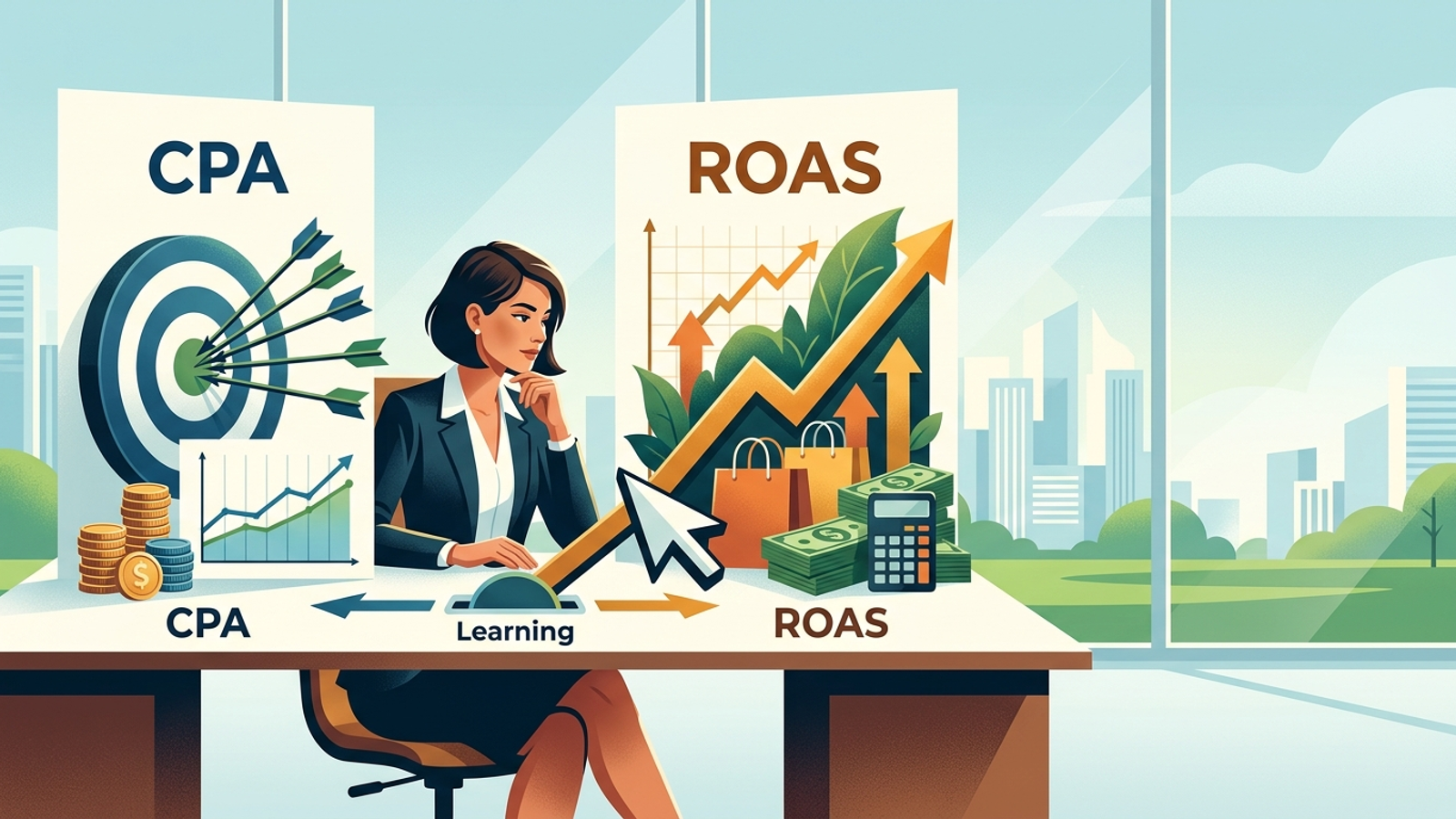
Should SaaS Companies Use Target CPA Or Target ROAS For Pipeline Optimization?
For most SaaS companies optimizing around pipeline events, Target CPA is the better starting point because it lets you set a cost-per-SQL target that maps directly to your unit economics. Target ROAS requires assigning revenue values to conversion events, which is harder to do accurately in SaaS where deal sizes vary and sales cycles are long. Once you have enough closed-won data flowing back with accurate values, you can experiment with value-based bidding, but tCPA is the more practical and reliable starting configuration.
What Happens To Lead Volume When You Switch Google Ads To Pipeline Optimization?
Lead volume almost always drops during the transition. This is expected and healthy. The algorithm stops finding cheap form fillers and starts finding clicks more likely to become qualified pipeline. The decline in raw leads typically coincides with an increase in SQL volume and a decrease in cost per SQL. The key is preparing stakeholders for this shift before making the change, ideally by presenting three to six months of CRM data showing the disconnect between lead volume and actual revenue from Google Ads.