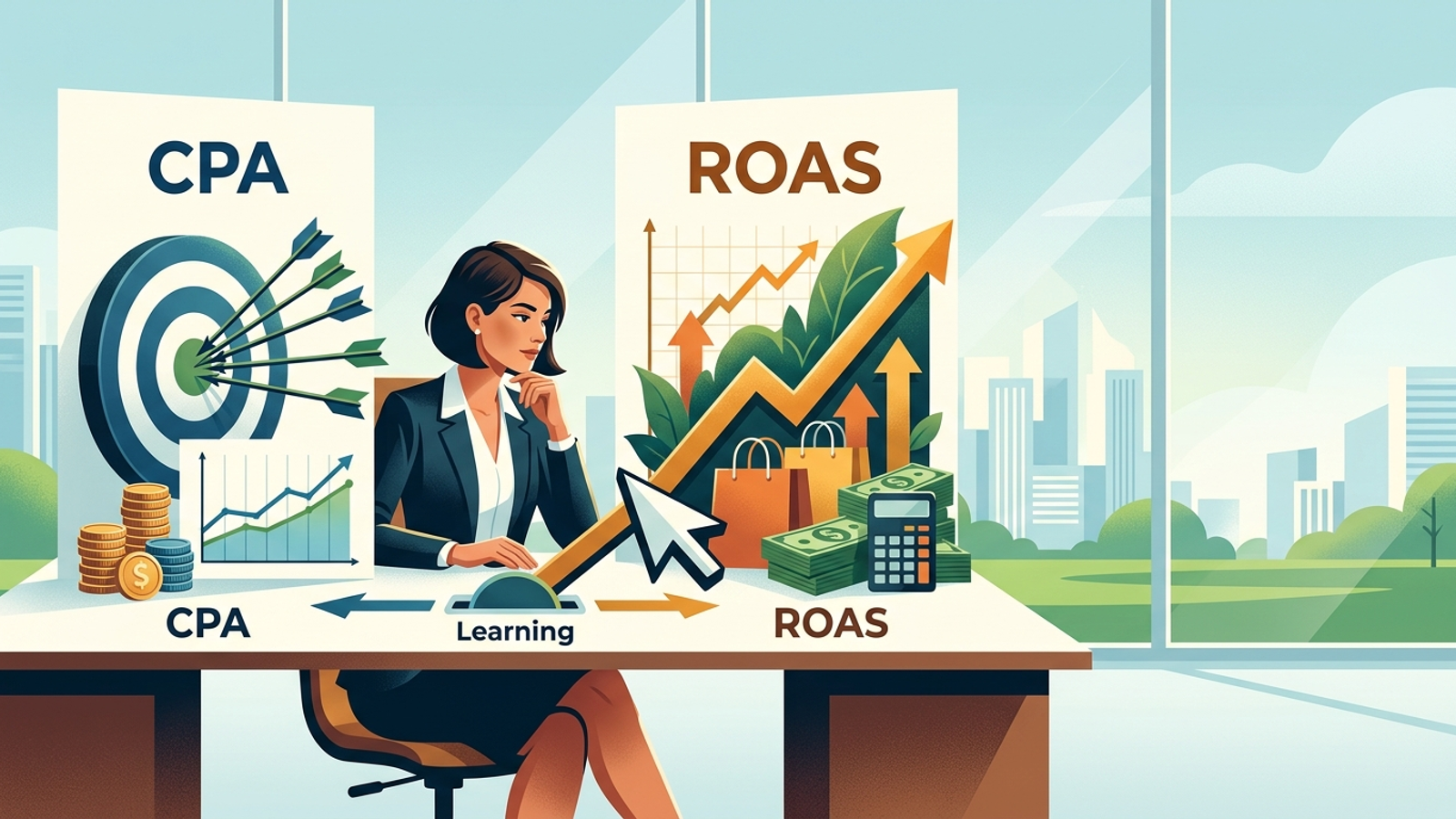
The Google Ads learning phase is a legitimate algorithmic process that lasts roughly seven days while Smart Bidding collects conversion data to optimize delivery. It is not a blanket excuse for months of poor performance, missed targets, or a lack of strategic direction. Yet across thousands of Google Ads accounts, the learning phase has become the single most overused deflection in the agency playbook: a technical-sounding phrase that buys time, discourages scrutiny, and shields underperformance from accountability. If your agency invokes "learning phase" every time you ask why results are lagging, you are probably not dealing with an algorithm that needs patience. You are dealing with an agency that needs replacing.
This is not a fringe problem. The learning phase excuse has become so normalized that advertisers with six and seven-figure monthly ad spend sit quietly through weeks of wasted budget because they have been trained to believe that questioning the process means not understanding how Google Ads works. That dynamic is backwards. Understanding the learning phase is exactly what separates informed advertisers from those who get taken for a ride.
What Most People Believe About The Google Ads Learning Phase
The conventional view goes like this: Google's Smart Bidding strategies (Target CPA, Target ROAS, Maximize Conversions, and their variants) need time to calibrate. During this period, performance fluctuates, CPAs spike, ROAS dips, and the right thing to do is wait. Making changes during learning resets the clock and makes things worse. Therefore, you should trust your agency, stay hands-off, and let the algorithm do its thing.
This is not wrong on the surface. Smart Bidding does require a calibration window. Google's own documentation confirms that bid strategies enter a learning period after significant changes, and that performance instability during this window is expected. The recommendation to avoid unnecessary edits during learning is sound.
Where it falls apart is when agencies extend this legitimate technical reality into an all-purpose shield. The learning phase is a defined, time-limited process. It is not a philosophical stance. It does not explain why your account has been "learning" for six weeks. It does not justify campaigns that never exit learning status because the account structure is wrong. And it certainly does not excuse an agency that made no effort to set up the conditions for learning to succeed before they launched.
The distinction matters because the learning phase, properly managed, is a brief transitional state. In the hands of a competent operator, it is planned for, accounted for, and resolved quickly. In the hands of a mediocre agency, it becomes a rhetorical tool.
5 Signs Your Agency Is Using The Learning Phase As An Excuse
1. The Learning Phase Gets Invoked Every Time You Ask For Results
If every performance question is met with "we're still in the learning phase," that is a deflection pattern, not a technical explanation. A legitimate learning period should come with specific timelines, expected conversion volumes, and a defined exit point. If your agency cannot tell you when learning should end and what triggers the transition, they are using jargon as a wall.
2. Every Optimization Resets The Clock Unnecessarily
Certain changes reset the learning phase: switching bid strategies, adjusting target CPA or ROAS by more than 20%, significant budget changes, or major conversion action modifications. But minor copy edits, ad extensions, or audience observation layers should not. If your agency is constantly resetting learning through sloppy, frequent structural changes and then citing the resulting learning period as the reason for poor performance, the problem is their execution cadence, not the algorithm. This pattern often signals a lack of planning. Changes that could have been batched are made piecemeal, keeping campaigns perpetually unstable. For a deeper look at how structural problems compound in agency-managed accounts, the issue is almost always operational, not algorithmic.
3. No Conversation About Conversion Volume Thresholds Before Launch
Smart Bidding needs conversion data to learn. Google generally recommends 30 to 50 conversions per campaign over a 30-day window for tCPA strategies, and similar volume for tROAS. If your agency launched a campaign on Target ROAS with a budget that would generate five conversions a month, the learning phase was never going to resolve. A competent agency discusses conversion volume requirements before launch, sets appropriate bid strategies for the available data, and uses portfolio strategies or conversion action grouping to accelerate learning. If none of that happened, the "learning phase" is not the problem. The setup is.
4. The Strategy Did Not Change, But The Excuse Did
Watch for this sequence: Month one, the agency says results will ramp up as the learning phase resolves. Month two, they say the algorithm is still calibrating. Month three, they cite seasonality or market shifts. The strategy underneath has not changed at all, but the excuse has rotated. This is a red flag that the agency has no actual plan for improving performance and is cycling through plausible-sounding explanations to buy time. A real learning phase strategy includes defined milestones: if X conversions are not reached by Y date, we shift to Z approach.
5. Learning Phase Duration Is Being Cited For Campaigns That Finished Learning Weeks Ago
This is surprisingly common and easy to verify. In Google Ads, the bid strategy status column shows whether a campaign is in "Learning," "Eligible," or "Limited." If your agency is telling you campaigns are still learning but the status column says "Eligible" (meaning learning is complete), the excuse does not match the data. Check it yourself. It takes thirty seconds.
What A Real Learning Phase Strategy Looks Like
How Long Each Campaign Type Actually Needs
The Google Ads learning phase typically lasts seven days but can extend based on conversion volume. Here is what to expect across campaign types in 2026:
Search campaigns with sufficient conversion volume (30+ conversions per month) usually exit learning within five to seven days. Shopping campaigns follow a similar timeline but can take longer for catalogs with thin traffic distribution across products. Performance Max campaigns often require a longer stabilization window of two to three weeks because they optimize across multiple Google surfaces simultaneously. Demand Gen campaigns, given their upper-funnel nature, may need two to four weeks to establish reliable conversion patterns, especially when optimizing for downstream actions rather than clicks.
The critical variable is not campaign type. It is conversion volume. An account generating hundreds of conversions weekly will exit learning faster than one generating a handful, regardless of campaign format.
What Good Agencies Do During The Learning Window
During the learning phase, a good agency is not sitting idle and telling you to wait. They are monitoring conversion data accumulation daily, watching for anomalies that suggest structural issues rather than normal volatility, preparing the next round of optimizations to deploy the moment learning resolves, and communicating proactively about what they are seeing and what comes next.
They also set the conditions for success before learning begins: ensuring conversion tracking is accurate and complete, building account structures that consolidate rather than fragment conversion data, and choosing bid strategies appropriate for the available signal volume. The learning phase is an output of these upstream decisions, not an independent event that happens to accounts.
Changes That Reset Learning And How To Avoid Unnecessary Resets
Budget changes over 20%, bid strategy switches, target CPA or ROAS adjustments beyond the recommended range, and conversion action changes all trigger learning resets. Competent operators batch structural changes, use portfolio bid strategies to pool conversion signals across campaigns, and stage rollouts so the entire account is not destabilized at once. If your account is in a perpetual learning cycle, the problem is almost certainly an operator who lacks the discipline to plan changes cohesively. A useful reference: reducing keyword bloat and campaign fragmentation directly impacts how quickly campaigns accumulate the conversion volume needed to exit learning.
How To Audit Your Account For Learning Phase Mismanagement
The Questions To Ask Your Agency Or PPC Manager
Ask these directly:
Which campaigns are currently in the learning phase, and when did each enter it? What is the expected exit date based on current conversion velocity? What conversion volume threshold are we targeting per campaign per month, and are we on track? How many times has learning been reset in the last 90 days, and what triggered each reset? What is the plan if learning does not resolve within the expected window?
If your agency cannot answer these questions with specifics, they are not managing the learning phase. They are enduring it.
Red Flags In The Status Column
Pull up your Google Ads account (or request view access if your agency controls it). Navigate to the Campaigns view and add the "Bid strategy status" column. Look for campaigns stuck in "Learning" for more than two weeks. Look for campaigns showing "Learning (limited)" which indicates insufficient data to complete learning. And look for campaigns showing "Eligible" that your agency is still describing as being in a learning phase.
If you find that your agency restricts your access to the account, that is a separate and serious red flag. You own the account. You should be able to see everything in it at any time. The standards your agency should be meeting monthly include full transparency into account status, not curated summaries that omit inconvenient data.
How groas Eliminates The Learning Phase As An Accountability Gap
The learning phase excuse persists because of a structural mismatch: the algorithm runs 24/7, but the human managing it works limited hours, manages too many accounts, and has no system for continuous optimization around learning windows. The result is that learning takes longer than it should, resets happen because of disorganized execution, and the agency fills the silence with excuses instead of action.
groas addresses this at the architecture level. The proprietary engine, trained on over $500 billion in profitable ad spend, runs execution continuously. It does not stop optimizing when a human runs out of hours. It manages conversion signal accumulation, batches changes to avoid unnecessary learning resets, and monitors bid strategy status in real time.
For DWY (Done With You) clients, this means your in-house team stays in control of strategy while the engine handles the heavy lifting underneath. Your strategist from groas works alongside your team with biweekly calls and weekly reports, ensuring the learning phase is planned for before campaigns launch, not explained away after the fact. Your team makes the decisions. The engine makes sure execution never stalls.
For DFY (Done For You) clients, your dedicated strategist owns the account end to end, including building the conditions that let campaigns exit learning quickly: proper conversion tracking, consolidated campaign structures, appropriate bid strategy selection, and landing pages built for conversion. Nothing falls through the cracks because execution does not depend on one person's bandwidth.
For agencies using the DIY product, the engine provides the same continuous execution layer for every client account, letting media buyers scale their book without the messy, error-prone optimization cadences that keep campaigns stuck in learning.
The core difference: groas does not need to cite the learning phase as a reason for patience, because the engine is actively managing through it every hour of every day. There is no dead time where your budget is running and nobody is watching.
What To Do If Your Agency Cannot Manage The Learning Phase
If the diagnostic checklist above confirmed what you suspected, you have a decision to make. You can attempt to coach your current agency into better learning phase management, which requires that they have the systems and talent to execute on that feedback. Or you can move to a model where the problem does not exist in the first place.
The traditional agency model is structurally vulnerable to the learning phase problem because it relies on humans with limited hours managing multiple accounts. When those humans cannot keep up, the learning phase becomes the convenient explanation. This is not always malice. Sometimes it is just the ceiling of what one person, or even a small team, can physically get through in a week. But the result for your account is the same: wasted spend, delayed optimization, and excuses where results should be.
Month-to-month, no long-term contract, $0 onboarding. groas earns the next month by performing, not by locking you in. If you have an in-house team and want to stay in control, get started with DWY. If you want Google Ads fully handled with no excuses and no learning phase hand-waving, apply for DFY. If you are an agency that wants to give every client account the execution layer it needs, start your 7-day free trial of the DIY engine.
The Google Ads learning phase is real. Using it as a perpetual excuse is not. The difference between the two shows up in your results, and if those results have been missing, the learning phase is not to blame. Your agency is.
Frequently Asked Questions About The Google Ads Learning Phase
How Long Does The Google Ads Learning Phase Actually Last?
The Google Ads learning phase typically lasts about seven days, though it can extend depending on conversion volume. Search and Shopping campaigns with 30 or more conversions per month often exit learning within five to seven days. Performance Max campaigns may need two to three weeks because they optimize across multiple Google surfaces. Demand Gen campaigns can take two to four weeks, especially when optimizing for downstream conversions. The key variable is not campaign type but conversion volume. Accounts generating hundreds of weekly conversions exit learning faster than those producing only a handful. If your campaigns have been in learning for more than two to three weeks, the issue is likely structural, not algorithmic.
Is My Agency Using The Learning Phase As An Excuse For Poor Performance?
Look for these patterns: every performance question is answered with "we're still learning," learning resets happen frequently due to disorganized changes, there was no pre-launch conversation about conversion volume thresholds, the excuse rotates from learning phase to seasonality to market conditions while strategy stays the same, or campaigns show "Eligible" status in Google Ads while your agency still claims they are learning. Check the bid strategy status column in your Google Ads account yourself. If your agency restricts your access, that is an additional red flag.
What Changes Reset The Google Ads Learning Phase?
Budget changes over 20%, switching bid strategies entirely, adjusting target CPA or target ROAS beyond the recommended range, and modifying conversion actions all trigger learning resets. Minor changes like ad copy edits, ad extension updates, or adding audience observation layers should not reset learning. Competent operators batch structural changes together and stage rollouts to avoid destabilizing the entire account. If your account is perpetually cycling through learning, the problem is almost certainly poor change management by whoever is running the account.
How Many Conversions Does Google Ads Need To Exit The Learning Phase?
Google generally recommends 30 to 50 conversions per campaign over a 30-day window for Target CPA strategies, with similar thresholds for Target ROAS. Campaigns that cannot generate this volume within a reasonable timeframe may stay stuck in "Learning (limited)" status indefinitely. A competent operator addresses this before launch by choosing bid strategies appropriate for the available data, using portfolio bid strategies to pool conversion signals, or adjusting conversion action grouping to accelerate data accumulation.
What Should My Agency Be Doing During The Learning Phase?
During the learning phase, your agency should be monitoring conversion data accumulation daily, watching for anomalies that indicate structural problems rather than normal volatility, preparing optimizations to deploy when learning resolves, and communicating proactively about timelines and expectations. They should not be sitting idle and telling you to wait. The work that matters most actually happens before learning begins: ensuring conversion tracking is accurate, building consolidated campaign structures, and selecting bid strategies that match available conversion volume.
Can I Check If My Google Ads Campaigns Are Still In The Learning Phase Myself?
Yes. In Google Ads, go to the Campaigns view and add the "Bid strategy status" column. You will see one of several statuses: "Learning" means the algorithm is still calibrating, "Learning (limited)" means there is insufficient data to complete learning, and "Eligible" means learning is complete. If your agency says campaigns are still learning but the status shows Eligible, the data contradicts their explanation. This check takes thirty seconds and requires only view access to the account.
How Does groas Handle The Google Ads Learning Phase Differently?
groas eliminates the learning phase as an accountability gap because its proprietary engine, trained on over $500 billion in profitable ad spend, runs execution continuously. It manages conversion signal accumulation, batches changes to prevent unnecessary learning resets, and monitors bid strategy status in real time. There is no dead time where your budget runs and nobody watches. For DWY clients, your team stays in control while the engine handles execution. For DFY clients, a dedicated strategist owns everything end to end. The learning phase is planned for before launch, not explained away after.
Should I Switch Agencies If Mine Keeps Blaming The Learning Phase?
If your agency cannot answer basic questions about which campaigns are in learning, when they are expected to exit, and what the plan is if learning does not resolve on schedule, you have a structural problem, not a temporary one. You can try coaching your agency into better practices, but if the issue is bandwidth and systems, coaching will not fix it. groas offers a month-to-month model with $0 onboarding and no long-term contracts, so you can move to a setup where learning phase mismanagement does not exist without taking on lock-in risk.
What Is The Difference Between "Learning" And "Learning (Limited)" In Google Ads?
"Learning" means the bid strategy is actively calibrating based on incoming conversion data and should resolve within roughly seven days if conversion volume is sufficient. "Learning (limited)" means the campaign does not have enough conversion data to complete the learning process, which often indicates a structural problem: the budget is too low, the conversion action is too narrow, or the campaign is too fragmented to accumulate meaningful signal. Campaigns stuck in Learning (limited) rarely resolve on their own without changes to budget, conversion tracking, or account structure.