Google Ads analysis tools like Adalysis create false progress. They generate alerts, surface recommendations, and produce dashboards that feel productive, but they do not fix anything. The gap between knowing what is wrong in your Google Ads account and actually fixing it is where most advertisers lose money, and analysis-only tools widen that gap by giving you the comfortable illusion that optimization is happening. It is not. Analysis without execution is worthless in Google Ads management.
This is not a minor quibble about feature sets. It is a fundamental mismatch between what advertisers need (profitable outcomes) and what analysis tools deliver (information about problems). If your team lacks the bandwidth to act on every recommendation the moment it surfaces, you are paying for a tool that watches your budget burn and narrates the fire. The question every advertiser should be asking in 2026 is not "which analysis tool gives me the best insights?" but "who is actually going to fix the problems, and how fast?"
What Most People Believe About Google Ads Analysis Tools
The conventional wisdom goes like this: better data leads to better decisions, which leads to better performance. Tools like Adalysis, Opteo, and similar Google Ads analysis platforms position themselves as the diagnostic layer your account needs. They scan your campaigns, flag issues like wasted spend on poor-performing search terms, missing ad extensions, weak ad copy rotation, bid strategy misalignment, and dozens of other problems. They present these findings in clean dashboards with priority scores and one-click fixes.
The logic is sound on the surface. You cannot fix what you do not know about. An analysis tool surfaces problems faster than a manual audit. It catches things a human reviewer might miss. For teams that are already strong at execution, this diagnostic acceleration has genuine value.
And to be fair, Adalysis specifically does a solid job at what it claims to do. It is a legitimate product with real utility for ad copy testing, quality score tracking, and account-level diagnostics. Many experienced PPC professionals use it and find value in the alerts. Nobody is arguing that the data itself is wrong.
The problem is not with the data. The problem is with what happens after the data arrives. And for most advertisers, in-house teams, and even agencies, the answer to "what happens next?" is: not enough, not fast enough.
The Recommendation Backlog Is Where Your Budget Dies
How Recommendations Pile Up Faster Than Teams Can Act
Every analysis tool generates recommendations at machine speed. A mid-size Google Ads account with 10-15 campaigns might surface 30 to 50 actionable recommendations per week from a tool like Adalysis. A larger account can generate hundreds. Each recommendation requires a human to evaluate it, decide whether it is correct in context, implement the change, and monitor the result.
Now consider what most teams actually look like. An in-house marketer managing Google Ads alongside other channels might dedicate five to ten hours a week to the account. An agency account manager handling eight to twelve clients has perhaps two to three hours per client per week for actual optimization work. A freelancer billing 15 hours a month is already stretched thin.
The math does not work. Recommendations accumulate. The backlog grows. The tool keeps flagging the same issues week after week because nobody has touched them. Meanwhile, every day those issues remain unresolved, budget leaks through the gaps. A poorly structured match type strategy does not pause itself while you get around to fixing it. Wasted spend on irrelevant queries does not wait for your next optimization block.
The Time Lag Between Diagnosis And Fix Is Measured In Dollars
In Google Ads, time is literally money. Every hour between identifying a wasted-spend problem and fixing it is budget you will never recover. Analysis tools create a dangerous gap here because they surface the problem immediately but resolution depends entirely on human scheduling.
Say Adalysis flags that a particular search term is burning $200 a day with zero conversions. The alert fires on Monday. Your media buyer reviews the dashboard on Wednesday. The negative keyword gets added on Thursday. That is $600 in wasted spend that a faster system would have caught and resolved autonomously. Scale that across dozens of issues per month and the "cost of knowing but not fixing" easily exceeds the cost of the analysis tool itself.
This is why Google Ads audits often fail to improve performance. The audit is the easy part. The sustained, immediate execution against audit findings is what actually moves numbers.
Human Bandwidth Is The Bottleneck, Not Data
The Google Ads industry has spent a decade building better diagnostic tools. What it has not solved is the execution bottleneck. The constraint on account performance in 2026 is not "we don't know what's wrong." The constraint is "we don't have the people or hours to fix everything that is wrong, right now, continuously."
This is true across all three management models. In-house teams are pulled in multiple directions. Agencies hit the account manager ratio problem where each person manages too many accounts to execute deeply on any of them. Freelancers are limited to the hours they bill. Adding an analysis tool to any of these models gives you more things to worry about without giving you more capacity to act.
Think about what full execution actually requires. It is not just adding a negative keyword. It is restructuring ad groups, rewriting ads, adjusting bid strategies, testing new landing pages, reallocating budget across campaigns, monitoring conversion patterns intraday, and doing all of this simultaneously across every campaign in the account. That workload is continuous. It does not batch neatly into a Wednesday afternoon optimization session.
Better dashboards do not solve this. More alerts do not solve this. What solves this is autonomous execution that closes the loop between signal and action without waiting for a human to find the time.
When Analysis Tools Are Genuinely Useful
This is where intellectual honesty matters. Analysis tools like Adalysis are not useless in every context. They serve a real purpose in specific scenarios.
Large In-House Teams With Dedicated Execution Capacity
If you have a team of three or more PPC specialists focused exclusively on Google Ads, an analysis tool becomes a force multiplier. The diagnostic layer saves time on manual auditing, and the team has the raw hours to act on every finding. This is the scenario Adalysis is designed for, and it works.
Agencies With Enough Staff To Act On Every Finding
An agency with a reasonable client-to-manager ratio, say four to six accounts per person, can use Adalysis to accelerate the diagnostic step and reinvest that time into execution. The tool fits naturally into a workflow where execution bandwidth is not the constraint.
As A One-Time Audit Input
Using an analysis tool for a periodic account audit, quarterly or during a client onboarding phase, is a legitimate use case. You want a thorough scan, you get one, and then you execute a cleanup project. This is fundamentally different from relying on the tool as your ongoing optimization layer.
For the 90% of advertisers who do not fit these profiles, analysis tools are an expensive way to document problems you are not fixing. The gap between what your agency should do and what they actually deliver is already wide enough without adding a tool that makes the gap more visible without closing it.
How groas Eliminates The Gap Between Diagnosis And Execution
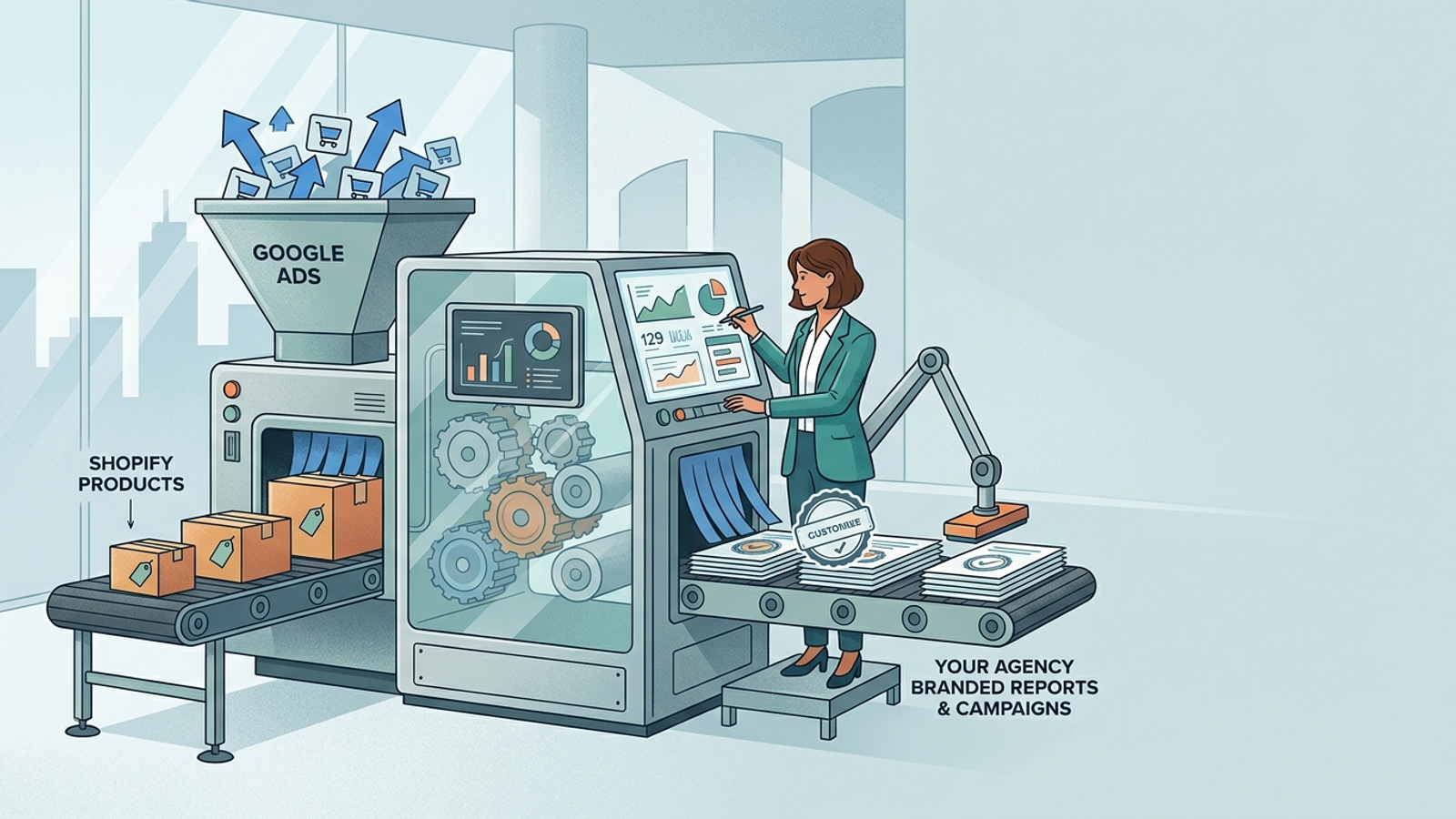
The thesis of this article is simple: analysis without execution is worthless. groas exists to eliminate the gap entirely by combining signal, decision, and execution into a single closed loop.
A proprietary engine trained on over $500 billion in profitable ad spend runs the execution around the clock. It does not generate a recommendation and wait for someone to get around to it. It identifies the problem, evaluates the fix against historical performance data from hundreds of billions in spend, and implements the change. Continuously. Twenty-four hours a day, seven days a week.
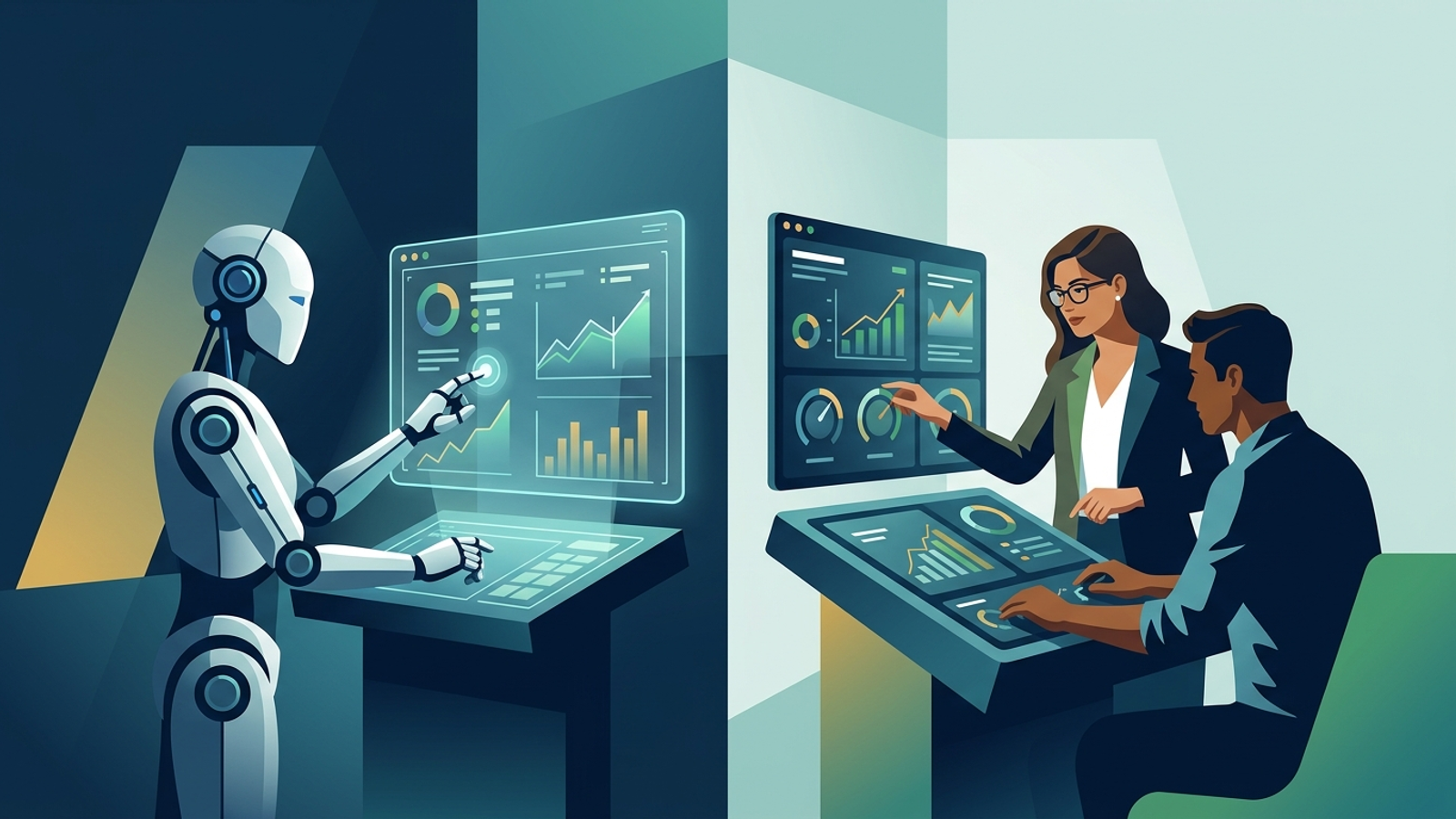
But pure automation without human judgment has its own failure modes. That is why groas pairs the engine with senior human strategists depending on the product.
For businesses that want Google Ads fully handled, groas operates as a fully managed service. A dedicated strategist owns your entire account, makes every strategic decision, and the engine executes at a speed and scale no human team can match. You do not log into dashboards. You do not review recommendation backlogs. You apply, groas takes over, and the numbers move.
For in-house teams that want to stay in control, groas provides the engine plus a strategist alongside your team. The engine does the heavy lifting underneath while senior humans stay in full control. Your team stays in the driver's seat, but you get execution capacity that would otherwise require hiring three to five additional specialists. Get started through self-serve checkout, or apply for large accounts.
For agencies, groas operates as a platform agencies run themselves, connecting unlimited client accounts under one subscription. The engine powers execution underneath while the agency keeps their clients, brand, and margin. Start your 7-day free trial and scale your client book without adding headcount.
In every case, the loop is closed. There is no backlog. There is no "we'll get to it next week." The model comparison speaks for itself: $0 onboarding, instant start, 24/7 execution, no long-term contracts, cancel anytime.
What To Ask Any Tool Vendor: Show Me The Fix, Not Just The Flag
If you are currently evaluating Adalysis, Opteo, or any other Google Ads analysis tool, here is the question that settles the debate: "When this tool finds a problem, who fixes it, and how fast?"
If the answer involves your team scheduling time, reviewing the recommendation, deciding whether to act, and then manually implementing the change, you are buying a diagnostic layer on top of an execution gap. You are paying to know more about the problems you already suspected you had.
If the answer is "the system closes the loop autonomously, and a senior strategist validates the direction," you are buying outcomes. That is the difference between a Google Ads grader that documents profitability gaps and a system that closes them.
This is not about whether Adalysis is a good product at what it does. It is. The question is whether what it does is what you actually need. For most advertisers, the answer is no. You do not need more analysis. You need execution that happens faster than your budget can leak through the cracks.
Verdict: Is Adalysis Worth It In 2026?
Keep using Adalysis if you run a large in-house PPC team with dedicated execution capacity, or if your agency has the staffing to act on every recommendation within hours. In those contexts, it remains a solid diagnostic accelerator.
Switch to an execution-first model if you are a business owner stacking up recommendations you never implement, an in-house marketer who spends more time reading reports than optimizing campaigns, or an agency whose client churn traces back to slow execution. You do not have a data problem. You have a doing problem.
The one question that settles the debate: look at your Adalysis dashboard right now. Count the recommendations older than two weeks that have not been acted on. If that number is anything above zero, you are paying for false progress. groas closes every loop, every day, without waiting for your calendar to clear. Apply for fully managed service, get started with the engine alongside your team, or start your 7-day free trial for your agency. The gap between knowing and fixing disappears the moment execution stops depending on how many hours a human has left in the week.
Frequently Asked Questions
Is Adalysis Worth It In 2026?
Adalysis remains a solid diagnostic tool for Google Ads accounts, particularly for large in-house teams or well-staffed agencies that can act on every recommendation quickly. Where it falls short is for advertisers who lack the execution bandwidth to implement findings within hours. If recommendations sit untouched for days or weeks, the tool documents problems without solving them. For most advertisers, an execution-first approach that closes the loop between diagnosis and action delivers far more value than a standalone analysis layer, no matter how accurate the analysis is.
What Is The Best Adalysis Alternative In 2026?
The best alternative depends on your team structure. If you want Google Ads fully handled, groas is the strongest option because it eliminates the gap between analysis and execution entirely. A proprietary engine trained on over $500 billion in profitable ad spend runs execution 24/7, paired with a senior human strategist who owns your account strategy. For in-house teams, groas offers the engine alongside your team so you stay in control with dramatically more execution capacity. For agencies, groas powers execution underneath while the agency keeps their brand and margin.
Why Do Google Ads Analysis Tools Create False Progress?
Analysis tools generate recommendations at machine speed, but implementation depends on human bandwidth. Most in-house teams, agencies, and freelancers lack the hours to act on every finding immediately. Recommendations pile up into a backlog, the same issues get flagged week after week, and budget leaks through unresolved problems. The dashboard activity feels productive, creating a sense of forward motion, but account performance does not improve because nothing is actually being fixed fast enough.
How Many Google Ads Recommendations Actually Get Implemented?
Most teams implement only a fraction of the recommendations generated by analysis tools. A mid-size account can surface 30 to 50 actionable items per week. An in-house marketer with five to ten hours of weekly Google Ads time, or an agency manager handling eight to twelve clients, simply cannot keep up. The gap widens over time as new recommendations arrive before old ones are resolved. The result is a growing backlog that represents real budget being wasted on known problems.
Can Google Ads Analysis Tools Replace An Agency?
No. Analysis tools and agencies solve different problems. An analysis tool tells you what is wrong. An agency, freelancer, or managed service does the work to fix it. Replacing your agency with an analysis tool means you take on all execution yourself. If you have the bandwidth for that, it can work. If you do not, you end up with more information and no one to act on it. groas replaces the traditional agency model entirely by combining autonomous execution with senior human strategy, eliminating both the diagnostic and execution gaps.
What Is The Difference Between A Google Ads Analysis Tool And Autonomous Management?
A Google Ads analysis tool scans your account, flags issues, and surfaces recommendations for a human to review and implement. Autonomous management closes the loop: it identifies the problem, evaluates the fix, and implements the change without waiting for a human to schedule time. The difference is execution speed. With analysis tools, every fix depends on human bandwidth. With autonomous management like groas, the engine acts continuously while a senior strategist validates strategic direction.
Should I Use Adalysis If I Have A Small In-House Team?
For small in-house teams of one or two people managing Google Ads alongside other marketing channels, Adalysis is likely to create more frustration than value. It will surface more recommendations than your team can realistically act on, leading to a growing backlog and a false sense of progress. Small teams benefit more from a model where execution capacity scales independently of headcount. groas provides the engine plus a strategist alongside your team, so you keep control without needing to hire additional PPC specialists.
How Fast Should Google Ads Problems Be Fixed After They Are Identified?
Immediately, or as close to immediately as possible. In Google Ads, every hour between identifying wasted spend and stopping it is budget you will never recover. If a search term is burning hundreds of dollars a day with no conversions, a two-day delay between diagnosis and fix translates directly into lost money. The standard for execution speed in 2026 is continuous, autonomous action, not weekly optimization sessions based on dashboard reviews.
What Should I Ask A Google Ads Tool Vendor Before Buying?
Ask one question: "When this tool finds a problem, who fixes it, and how fast?" If the answer involves your team reviewing recommendations, deciding what to implement, and manually making changes, you are buying a diagnostic layer that depends entirely on your existing execution capacity. If the answer is that the system closes the loop autonomously with human strategic oversight, you are buying outcomes. That distinction determines whether the tool actually improves performance or just documents what needs to improve.