Three ads before a four-minute how-to video. Twenty seconds unskippable.
A client sent me that screenshot in March and assumed his targeting had broken. It had not. His campaign had simply filled inventory that nothing in the settings told it to avoid.
Reports describe stacked ads, 15- to 30-second unskippable blocks, and denser mid-rolls inside short videos. YouTube is selling more of those slots, while the free experience makes Premium the obvious no-ad alternative.
I used to tell clients that YouTube frequency was mostly a creative problem. I was wrong. When the platform changes inventory, frequency becomes a buying problem first. Here is what changed, which YouTube policy requirements can affect delivery, and what I would fix before touching a headline.
More inventory makes frequency a buying problem
The same budget can now buy longer, repeated exposures. That matters most on connected TV, where viewers use a remote instead of a mouse and ad breaks behave more like television.
Google has expanded connected-TV formats, including pause ads, while reports describe 30-second unskippable commercials on TV screens. A single video view can now include pre-roll, mid-roll, a pause placement, and post-roll inventory. That is more opportunities to monetize one viewing session.
The practical sequence looks like this:
- More high-attention TV inventory enters the auction.
- The system can choose between 6-second bumpers, 15-second spots, and longer unskippable units.
- Longer units produce fewer but heavier exposures.
- Reported frequency rises even when reach stays flat.
YouTube also retired Video Action Campaigns in favor of Demand Gen. That change puts video assets across in-stream placements, Shorts, and Discover in a broader campaign setup. If you leave placement and device decisions at their defaults, one creative can follow the same person across screens.
YouTube passed $40 billion in annual ad revenue as it leaned further into the living room, according to reported figures on its TV ad expansion. The revenue number is interesting. The account implication is more useful: separate TV from other screens before you judge the creative.
Practical takeaway: Do not let a connected-TV result hide inside a blended YouTube report. It is different inventory, with different viewing behavior and often a different acceptable CPA.
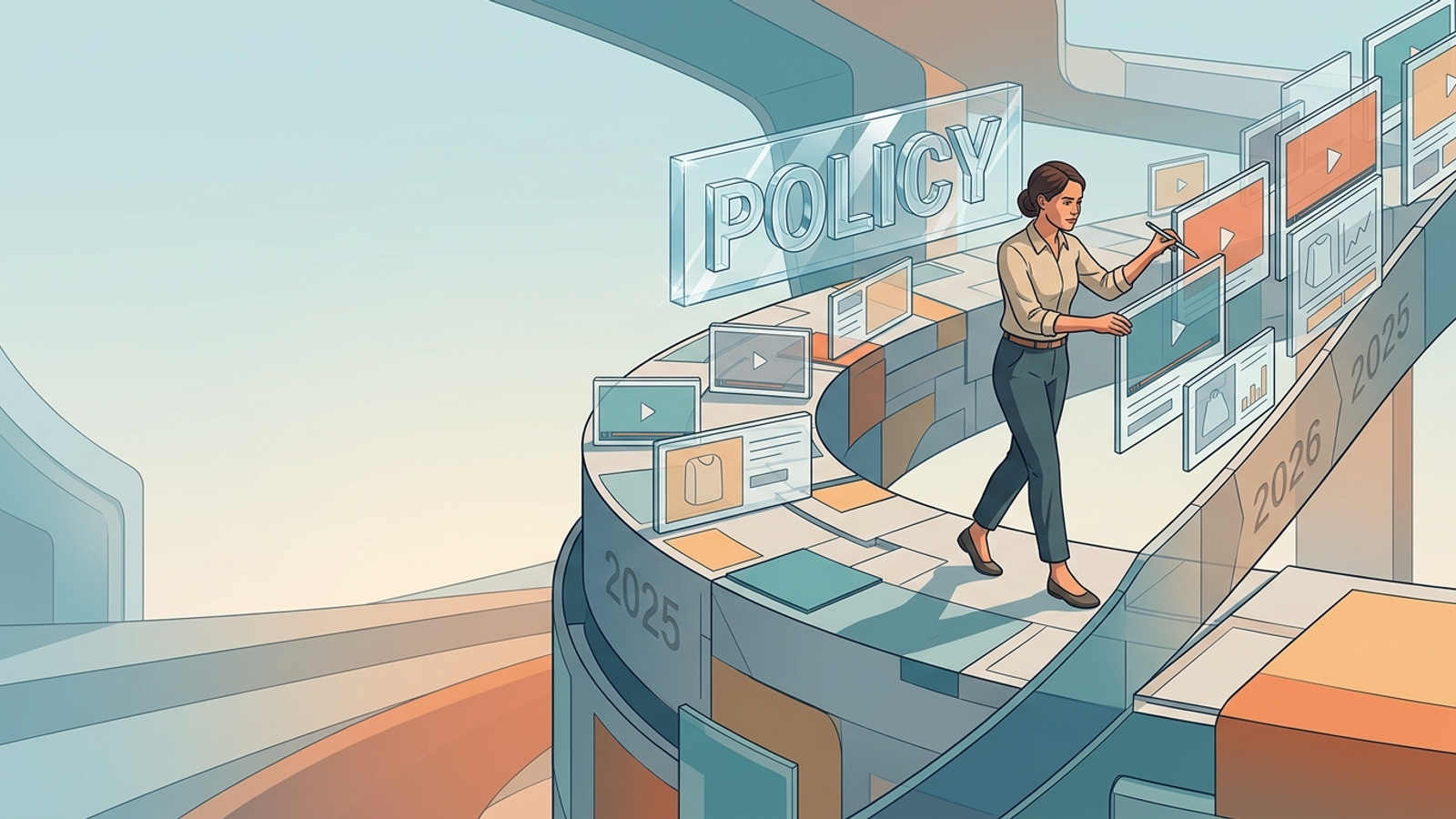
Policy requirements can quietly restrict delivery
Creative compliance now belongs in campaign operations, not the final pre-launch checklist. Google’s YouTube and Discover Feed ad requirements and Limited Ad Serving policy are worth reviewing before a budget increase.
Three areas deserve particular attention:
- Synthetic-media disclosures: If creative uses realistic AI-generated footage, digital avatars, or cloned voiceovers, review the applicable disclosure requirements and consent details before launch.
- Advertiser verification and Limited Ad Serving: Incomplete identity verification or a limited account track record can restrict serving while Google assesses the advertiser.
- Deceptive interface cues: Avoid simulated skip buttons, fake countdowns, and playback controls that could mislead viewers.
I audited an account recently that lost 45% of its YouTube delivery over two weeks. The agency blamed audience fatigue and seasonality. The issue was an unverified business profile paired with an AI-narrated product demo that lacked the required disclosure treatment. Google did not ban the account. Delivery simply moved into worse inventory.
Clean compliance metadata comes before more budget. If delivery drops, check verification and creative requirements before you declare the audience exhausted.
Fix placement mix before rewriting the ad
A higher YouTube CPA is often a placement-mix problem. If CPA rose 15% to 20% without an offer change, start there.
I had a SaaS account where TV delivered a $142 CPA against $81 on desktop using the same video. The mechanism was simple: a 30-second unskippable forces a full watch from people who would have skipped at second six on a laptop. Longer forced views raise the cost of completed views. The blended CPA follows.
These are the three fixes that hold up in most accounts I touch:
- Split connected TV into its own campaign and target. Give TV a separate budget and, if the economics justify it, a 30% to 40% higher tCPA. Otherwise, it can consume spend that converts more cheaply on mobile and desktop.
- Set a frequency cap, then review it weekly. Start at two views per week for prospecting and four for remarketing. Watch search lift and direct traffic alongside YouTube frequency. If frequency climbs without lift, pause the ad group instead of raising the cap.
- Rotate two cuts of the same message every three weeks. Keep the hook. Change the first five seconds. If you spend $20k per month, two cuts will usually last longer than one polished spot because the auction detects worn creative faster than viewers do.
Start with the campaign split. It takes about 20 minutes, isolates the expensive inventory, and tells you quickly whether TV is building demand or just billing for it.
Practical takeaway: Fix the inventory decision before you blame the edit.
Let software handle the checks humans skip
Frequency control fails when it depends on someone remembering a dull daily task. Nobody opens Audience > Frequency every morning. Nobody reweights TV against mobile after every auction shift. Nobody rechecks creative disclosures after an editor swaps a voiceover.
That is repetitive verification across hundreds of placements. Then the predictable things happen: caps slip, TV takes budget, and a policy issue sits untouched for two weeks.
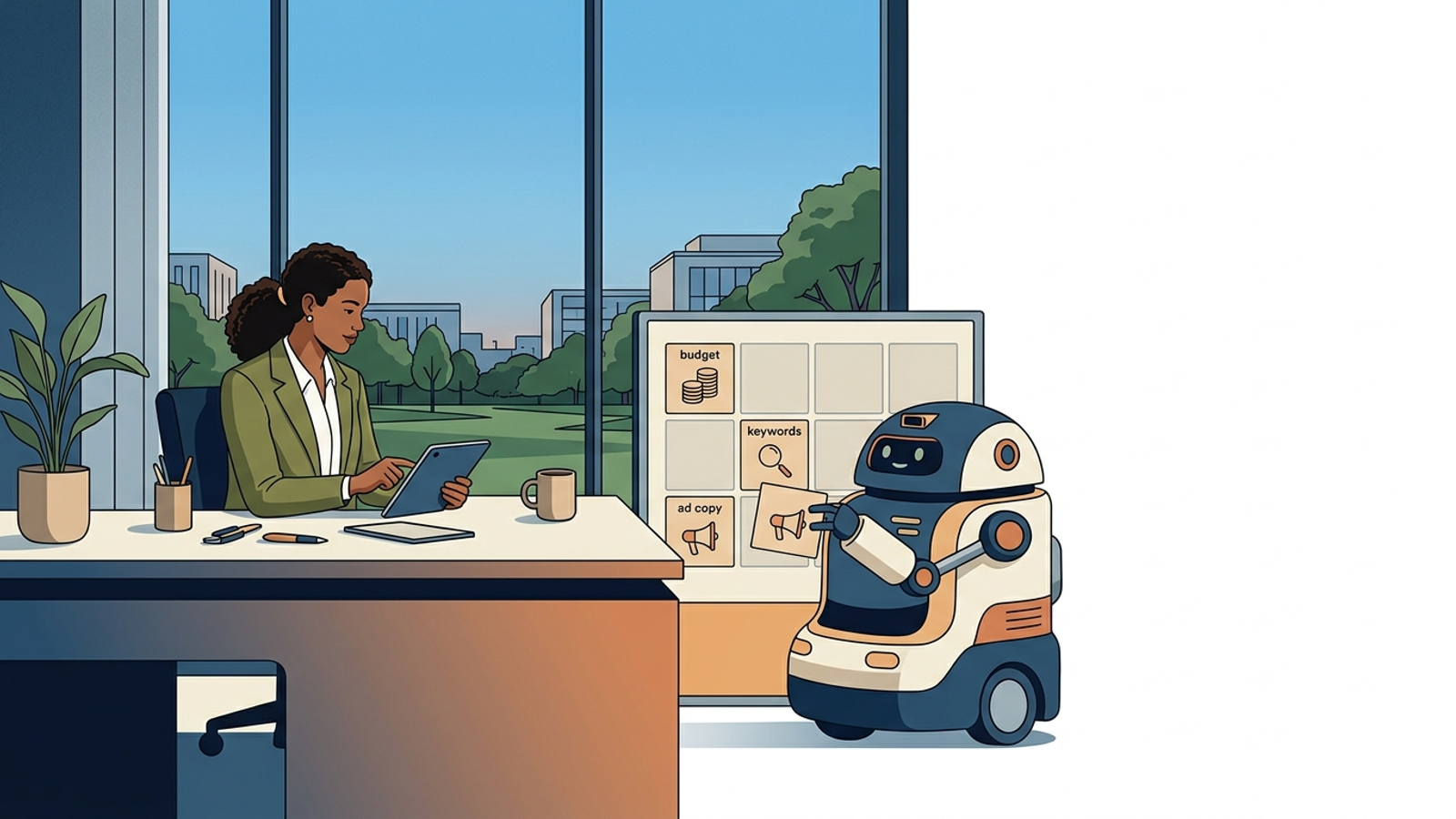
This is the part I hand to software now. Autonomous management for Google Ads can monitor frequency by device, shift budget away from placements where cost per completed view climbs, and flag creative for review before a policy problem damages delivery. The groas engine runs those checks 168 hours a week while the account keeps spending.
Keep strategy and creative judgment human. Let the machine do the hourly policing humans always skip.