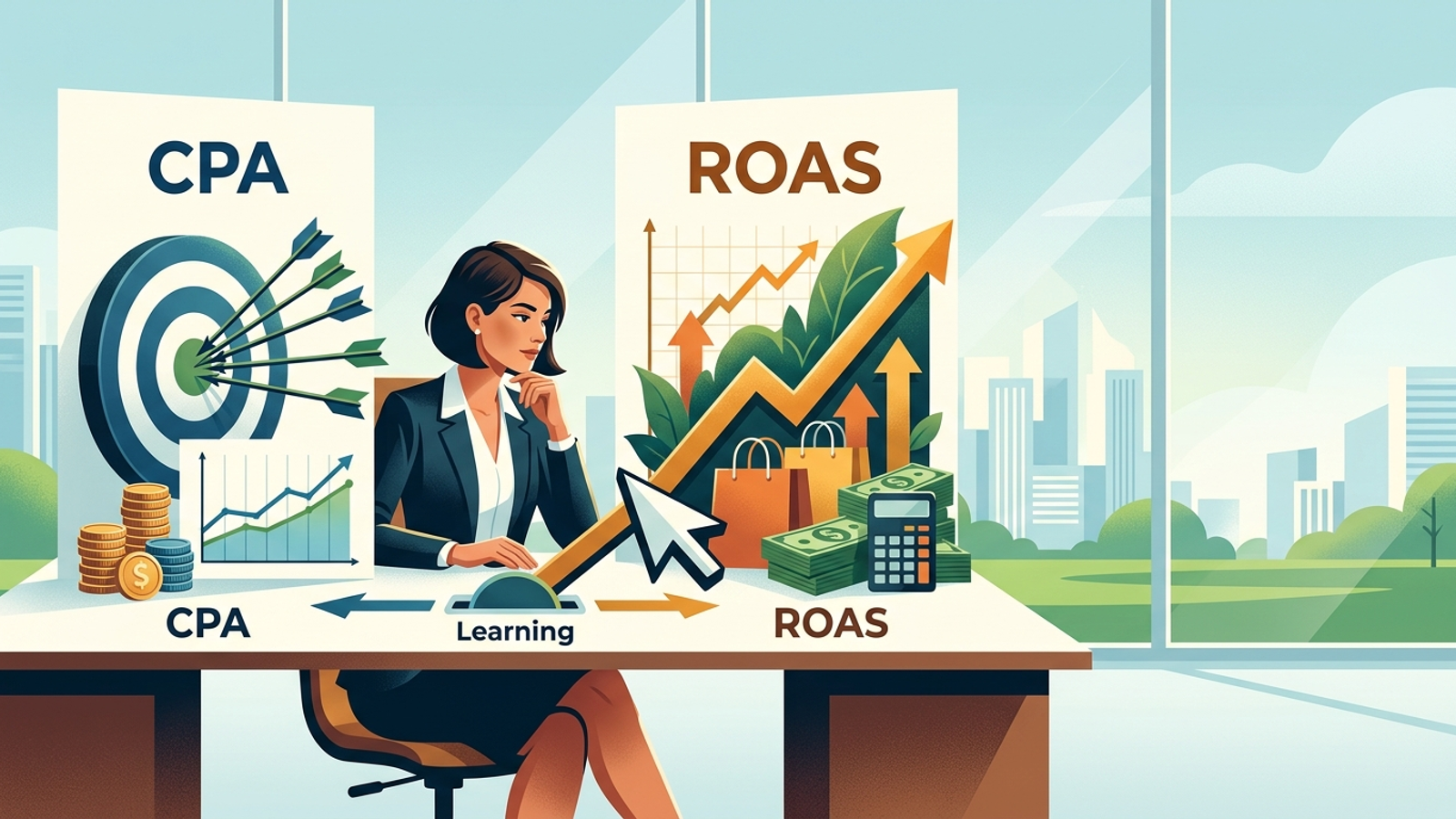
A SaaS company spending over $40K per month on Google Ads watched its pipeline flatline even as ad spend climbed quarter over quarter. The root cause was not budget, bidding, or keyword selection. It was attribution. The account was feeding Google's smart bidding algorithm the wrong conversion signal, which meant every automated optimization was pulling the account further from revenue. Google Ads SaaS conversion tracking that counts trials instead of pipeline opportunities is the single most common structural failure in B2B accounts. Fixing it does not require new campaigns or more budget. It requires telling Google what actually matters to your business, then rebuilding around that truth. This article walks through how one mid-market SaaS team diagnosed the problem, rebuilt attribution from the CRM up, survived the transition, and started generating real pipeline from the same budget.
The Situation: A Growing B2B Software Company With A Google Ads Problem
Company Profile: Mid-Market SaaS, In-House Marketing Team
The company sells a B2B software product with an average contract value in the mid-five figures. Its sales cycle runs 45 to 90 days, with multiple touchpoints between the first click and a signed deal. The marketing team has four people, including one performance marketer dedicated to paid channels. Google Ads represents their largest paid acquisition channel, running around $40K to $50K in monthly spend across Search, Display remarketing, and a small Performance Max experiment.
What The Account Looked Like At The Start
On the surface, the account looked healthy. The in-house marketer had built campaigns around product categories and competitor terms, segmented by match type. Quality Scores sat in reasonable ranges. The account had been running for over two years and had accumulated meaningful conversion data. A previous agency had set up the initial structure, and the in-house team had inherited and iterated on it.
The Core Complaint: Spending Is Up, Pipeline Is Flat
The problem was simple to describe and painful to experience. Marketing was reporting a steady cost per trial signup that looked acceptable. But when the VP of Sales pulled pipeline reports from the CRM, the number of qualified opportunities sourced from paid search was flat, even declining slightly, despite a 30 percent budget increase over the previous two quarters. The disconnect between marketing metrics and sales reality had become a board-level topic.
Diagnosing The Real Problem
The Attribution Gap: Counting Trials, Ignoring Pipeline
The Google Ads account was optimizing toward a "free trial started" conversion event. This was the primary conversion action in the account, and it was the signal smart bidding used for every automated decision. The problem: trial signups and qualified pipeline had almost no correlation. The company's data showed that roughly 60 percent of trial signups never logged in a second time. Of the remaining 40 percent, only a fraction matched the company's ideal customer profile. Google was doing exactly what it was told. It was finding people who would start a trial. It was not finding people who would become customers, because nobody had told it what a customer looked like.
How Smart Bidding Was Optimizing For The Wrong Signal
This is where the damage compounds. Smart bidding strategies like Target CPA and Maximize Conversions use your primary conversion action as the objective function. When that conversion is a low-friction trial signup, the algorithm optimizes for volume and ease of conversion, not quality. It finds the cheapest clicks that convert, which in B2B SaaS often means small businesses, students, competitors researching, or people who will never progress past day one. The more data it collects on this wrong signal, the more confidently it pursues the wrong audience. This creates a feedback loop that is almost invisible in Google Ads reporting but shows up clearly in CRM pipeline metrics.
Campaign Structure That Made Sense On Paper But Not In Revenue
The campaign architecture followed a common Google Ads best practice template: campaigns segmented by product feature, ad groups organized by match type, and a separate brand campaign. The structure was clean. But it had no relationship to how the company's revenue funnel actually worked. High-intent terms that correlated with enterprise deals were grouped alongside keywords that attracted small-business tire-kickers. Budget flowed to whatever generated the most trials, not the most pipeline. The structure made sense if you were optimizing for trial volume. It made no sense if you were trying to generate revenue. This is a pattern that repeats across many B2B accounts where manual structure decisions drift away from business outcomes.
The Learning Phase Was Constantly Resetting
Because the team was making frequent campaign-level changes, adjusting budgets weekly, pausing and launching ad groups, and tweaking bid targets based on trial CPA, smart bidding's learning phase was constantly resetting. Google needs roughly 50 conversions per campaign over a 30-day window to stabilize a bid strategy. The combination of fragmented campaigns and frequent changes meant most campaigns never exited learning. The algorithm was perpetually guessing, and guessing with the wrong objective.
The Rebuild: Aligning Google Ads With How Revenue Actually Works
Phase 1: Fixing Conversion Tracking Before Touching Campaigns
The first step was counterintuitive. The team did not touch a single campaign, keyword, or bid. They spent the first two weeks exclusively on conversion tracking. The trial signup event was moved to a secondary conversion action, meaning it would still be tracked and visible in reports but would no longer influence bidding. This is a critical distinction that many SaaS teams miss. You do not delete the trial event. You demote it so smart bidding ignores it.
Importing CRM Opportunity Data As The Primary Conversion
The team set up offline conversion imports from their CRM (HubSpot, in this case) back into Google Ads. Every time a lead progressed to "Qualified Opportunity" stage in the CRM, that conversion, along with its estimated pipeline value, was imported back to Google Ads and attributed to the original click. This gave smart bidding a new objective: optimize for clicks that eventually produce qualified pipeline, weighted by deal value. The technical setup required matching Google Click IDs (GCLIDs) captured at trial signup with CRM records, then automating a daily import. It is not trivial, but it is well-documented in Google's own offline conversion import guides, and the HubSpot integration supports it natively.
Rebuilding Campaign Architecture Around Funnel Stage
With the right conversion signal in place, the campaign structure needed to reflect how buyers actually move through the funnel. The team consolidated campaigns into three tiers. The first tier covered high-intent keywords that historically correlated with enterprise pipeline, terms around integration, compliance, and migration. The second tier covered mid-funnel consideration terms around category and comparison queries. The third tier covered broader awareness terms and competitor campaigns. Each tier got its own budget, its own bid strategy, and its own performance expectations. This is a version of the same structural principle that drives results in other verticals: campaign architecture should follow your revenue model, not Google's default recommendations.
Resetting Bid Strategy With Correct Conversion Values
The team moved the high-intent tier to a Target ROAS bid strategy using imported pipeline values. The mid-funnel tier ran on Maximize Conversion Value with a portfolio strategy. The awareness tier ran on Maximize Clicks with strict budget caps, serving as a controlled top-of-funnel feeder. The key decision: they set initial targets conservatively to give the algorithm room to learn on the new signal. Setting a target ROAS too aggressively at launch is one of the fastest ways to strangle volume before the system has enough data to optimize effectively.
What Happened During The Transition
The First Four Weeks: Volume Dropped Before It Grew
The immediate result was uncomfortable. Trial signups dropped sharply in the first two weeks because Google was no longer optimizing for them. The total number of conversions visible in the Google Ads dashboard plummeted, because offline conversion imports have a natural lag of days to weeks (matching the sales cycle). For a period, the dashboard showed fewer conversions at a higher cost. This is normal and expected, but it requires organizational patience.
How The Team Managed Internal Pressure During The Learning Phase
The performance marketer prepared internal stakeholders before the switch. They circulated a memo explaining that Google Ads reporting would look worse before it looked better, that the team was deliberately trading trial volume for pipeline quality, and that the real metric to watch was qualified opportunities in the CRM, not the Google Ads conversion column. They set a 60-day evaluation window and agreed on no campaign-level changes during that period. The VP of Sales, who had been the loudest voice about the disconnect, became the strongest advocate for the rebuild once they understood the logic.
When Pipeline Metrics Started Moving
Around week five, the CRM data started reflecting the shift. The total number of trial signups was lower, but the percentage of trials that progressed to qualified opportunity increased meaningfully. By week eight, the absolute number of qualified opportunities sourced from Google Ads had surpassed the previous quarter's average, even though total trial volume was down. Smart bidding was now finding clicks that looked like past qualified opportunities, not clicks that looked like past trial signups. The algorithm was finally solving the right problem.
The Results: What Changed After The Rebuild
CPL Before And After
The cost per trial signup went up. That was by design. The metric that mattered, cost per qualified opportunity, moved in the opposite direction. The team reported a meaningful reduction in cost per qualified opportunity over the first full quarter on the new setup. We are not publishing exact percentages because this is a representative pattern, not a named customer disclosure. The directional shift was significant enough that the team reallocated budget from two other channels into Google Ads.
Pipeline Quality Improvement
Beyond cost, the quality of pipeline improved. Sales reported that leads from Google Ads were arriving with higher intent, clearer use cases, and faster time to first meeting. The average deal size from paid search leads increased because the algorithm was now biased toward clicks that generated higher-value opportunities. This is what happens when you give smart bidding a revenue-correlated signal instead of a vanity metric.
How Budget Allocation Shifted Across Funnel Stages
The high-intent tier absorbed a larger share of budget as it proved its efficiency on pipeline metrics. The mid-funnel tier held steady. The awareness tier was reduced. Within the high-intent tier, the team discovered that a small cluster of long-tail keywords around compliance and data migration were driving an outsized share of pipeline. Those keywords had been buried in broad-match ad groups under the old structure. The funnel-stage architecture surfaced them.
How groas Changes This Equation For In-House SaaS Teams
The rebuild described above took the in-house team nearly three months from diagnosis to stable results. They had the skills to execute it, but the process consumed the performance marketer's entire bandwidth for a quarter, leaving every other paid channel on autopilot.
This is exactly the scenario where groas's Done With You (DWY) product earns its place. With DWY, the proprietary groas engine, trained on over $500 billion in profitable ad spend, runs underneath the account doing the heavy lifting while a senior strategist works alongside the in-house team. The in-house marketer stays in the driver's seat, but the engine handles execution at a depth and speed that one person physically cannot match. The strategist identifies the attribution gap in week one, not week six. The rebuild follows a playbook refined across hundreds of accounts, not a single team's trial and error.
For teams that do not have a dedicated Google Ads person at all, the Done For You (DFY) product means groas owns the entire function end to end, from conversion tracking setup through campaign architecture through bid management, including landing pages and offers. No one on the client side needs to log into Google Ads.
Both products are month-to-month with no long-term contracts and $0 onboarding fees, which means the team can validate the approach without the budget risk that comes with a six-month agency retainer.
Lessons For In-House SaaS Teams Running Google Ads
The One Tracking Fix That Unlocks Smart Bidding For B2B
If your Google Ads account optimizes toward a top-of-funnel event like trial signup, demo request, or form fill, and your actual revenue comes from a sales process that happens weeks later, you are giving smart bidding the wrong objective. Import your CRM's qualified opportunity stage (or closed-won, if your cycle is short enough) as the primary conversion action with associated values. This single change reframes every automated decision Google makes on your behalf.
Why Account Structure Should Follow Your CRM, Not Google's Recommendations
Google's default recommendations, broad match everything, consolidate campaigns, let automation figure it out, assume a direct-response conversion model. B2B SaaS does not work that way. Your campaign structure should map to the stages of your revenue funnel so you can allocate budget, set targets, and evaluate performance at each stage independently. Negative keyword management becomes especially critical in SaaS, where irrelevant traffic burns budget without generating any signal worth learning from.
When To Add External Execution Support
The in-house team in this story had the talent to execute the rebuild. Most SaaS marketing teams do not have a dedicated Google Ads specialist with the depth to restructure conversion tracking, redesign campaign architecture, and manage stakeholder expectations simultaneously. If your team is stretched, the right move is not hiring an agency that locks you into a six-month contract and assigns a junior media buyer. It is adding execution support that scales with your account and keeps your team in control. That is the DWY model from groas: the engine plus a senior strategist, with your team driving.
Verdict
The pattern in this case study is not unique to one SaaS company. It repeats across nearly every B2B account that runs smart bidding on a top-of-funnel conversion event. The fix is structural, not tactical. It starts with telling Google what actually drives your revenue, then rebuilding the account around that signal. The SaaS teams that figure this out early gain a compounding advantage, because every week of correct data makes the algorithm smarter about finding their real buyers. The teams that delay keep feeding budget into a machine that is optimizing for the wrong outcome with increasing confidence.
If your in-house team is running Google Ads and pipeline is not keeping pace with spend, the attribution layer is the first place to look. If you want the engine and the strategist to do the heavy lifting while your team stays in control, get started with groas DWY. If you want groas to own Google Ads entirely, apply for DFY. Either way, month-to-month, no lock-in, $0 onboarding. groas earns the next month by performing.
Frequently Asked Questions
How Do You Fix Google Ads Attribution For A SaaS Company?
Fixing Google Ads attribution for SaaS starts with importing offline conversion data from your CRM back into Google Ads. Move your top-of-funnel event (trial signup, demo request) to a secondary conversion action so it no longer influences bidding. Then set your CRM's qualified opportunity stage as the primary conversion action with associated pipeline values. This tells smart bidding to optimize for clicks that generate real pipeline, not just easy conversions. The technical setup requires capturing Google Click IDs at the point of conversion and matching them to CRM records via automated daily imports.
Why Is My SaaS Google Ads Spend Increasing But Pipeline Is Flat?
The most common cause is a misaligned conversion signal. If your Google Ads account optimizes toward a low-friction event like trial signups while your revenue depends on a multi-week sales process, smart bidding is solving the wrong problem. It finds the cheapest clicks that trigger a trial, not the clicks that produce qualified opportunities. The algorithm gets more confident in pursuing the wrong audience over time, creating a feedback loop where spend rises but pipeline quality and volume stagnate or decline.
What Should Be The Primary Conversion Action For B2B SaaS Google Ads?
Your primary conversion action should be the CRM stage that best correlates with revenue. For most B2B SaaS companies, that is the Qualified Opportunity or Sales Qualified Lead stage. If your sales cycle is short enough (under 14 days), you can use closed-won deals. Import these as offline conversions with estimated deal values so smart bidding can optimize for pipeline value, not just conversion count. Keep trial signups or demo requests as secondary conversions for reporting visibility.
How Long Does It Take For Google Ads To Stabilize After A Conversion Tracking Rebuild?
Expect four to eight weeks of transition. In the first two to three weeks, visible conversion volume in Google Ads will drop because the algorithm is learning a new signal and offline conversions have a natural import lag. Smart bidding typically needs around 50 conversions per campaign in a 30-day window to exit the learning phase. Set expectations with internal stakeholders before the switch, agree on a 60-day evaluation window, and resist making campaign-level changes during this period.
Should SaaS Companies Use Target CPA Or Target ROAS For Google Ads?
If you are importing pipeline values as offline conversions, Target ROAS or Maximize Conversion Value strategies are typically stronger choices because they weight higher-value opportunities more heavily. Target CPA treats every conversion equally, which does not reflect the reality of B2B deal sizes. Start with conservative targets to give the algorithm room to learn. Setting targets too aggressively at launch is one of the fastest ways to kill volume before the system has enough data to optimize.
Can groas Help A SaaS Company Fix Google Ads Attribution And Pipeline Issues?
Yes. groas offers a Done With You (DWY) product built exactly for this scenario. The proprietary groas engine, trained on over $500 billion in profitable ad spend, runs underneath the account while a senior strategist works alongside your in-house team. The strategist identifies attribution gaps early, implements CRM-based conversion imports, and rebuilds campaign architecture around pipeline, not vanity metrics. Your team stays in control while the engine handles execution depth that one person cannot match. Month-to-month, $0 onboarding, no long-term contracts.
What Is The Difference Between groas DWY And DFY For SaaS Teams?
DWY (Done With You) is for SaaS teams that have someone in-house who knows Google Ads and wants to keep driving strategy with better tooling and senior advisory support. DFY (Done For You) is for teams that want groas to own Google Ads end to end, including conversion tracking, campaign management, landing pages, and offers. If you are unsure which fits, apply for DFY and groas will figure out the right plan on a call. Many teams start with DWY and upgrade to DFY as they scale.
How Should SaaS Google Ads Campaigns Be Structured For Pipeline Performance?
Structure campaigns around funnel stage, not product features or match types. Create tiers: high-intent keywords that correlate with enterprise pipeline (integration, compliance, migration terms), mid-funnel consideration queries (category and comparison terms), and broader awareness or competitor campaigns. Each tier gets its own budget, bid strategy, and performance expectations. This structure lets you allocate spend toward the keywords that actually drive revenue and surfaces high-performing long-tail terms that get buried in generic groupings.
Why Do Google's Default Recommendations Fail For B2B SaaS Accounts?
Google's recommendations assume a direct-response model where conversion happens close to the click. B2B SaaS has multi-week sales cycles, multiple decision makers, and wide variation in deal quality. Recommendations like broad match expansion and campaign consolidation optimize for volume of a surface-level event, not downstream revenue. Account structure should map to your CRM funnel, negative keyword management must be aggressive to filter irrelevant traffic, and bid strategies need offline conversion data to function correctly.