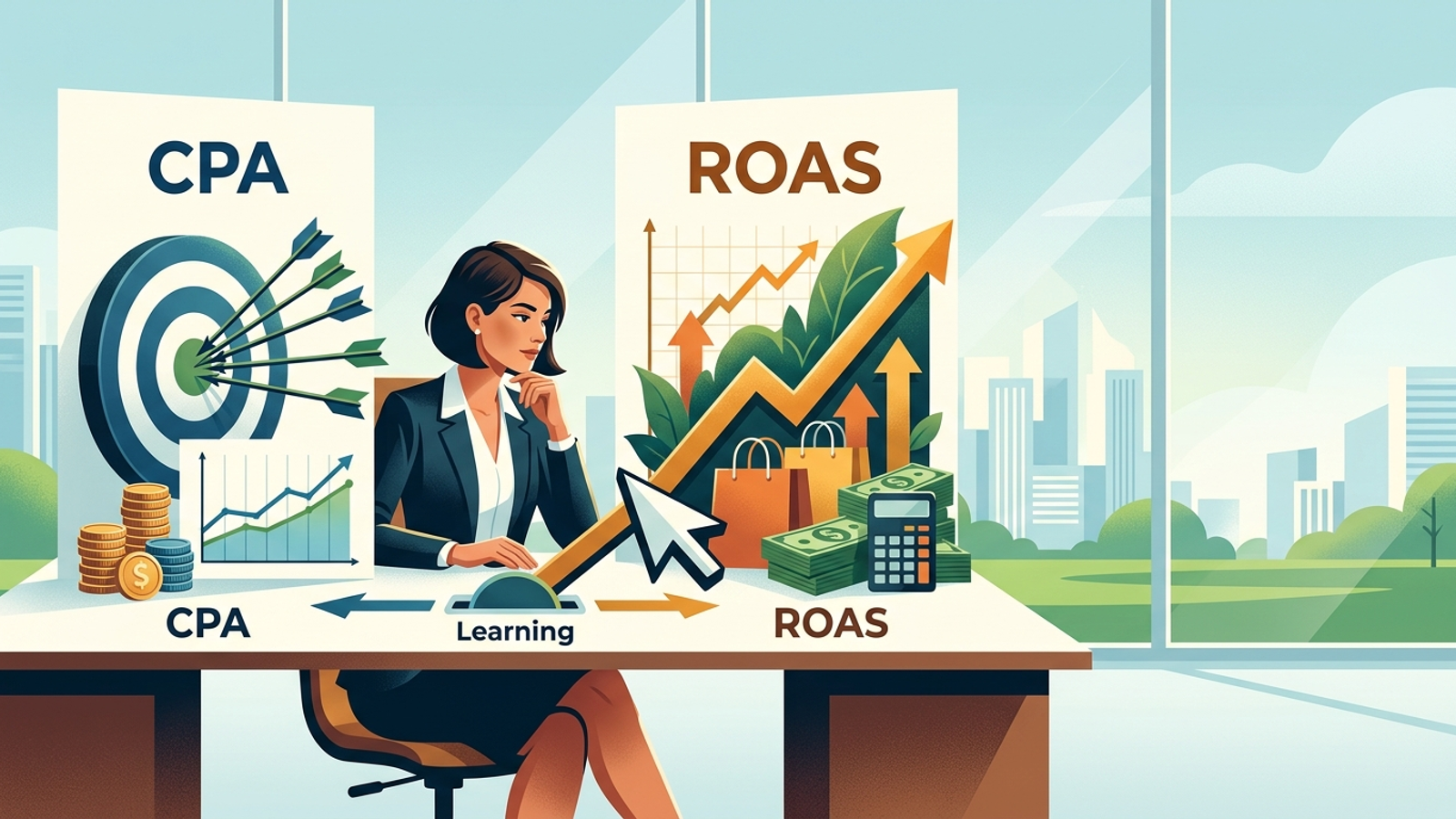
Before you sign a fully managed Google Ads agreement, you need to ask the right questions. A fully managed Google Ads service is an arrangement where an external team owns every aspect of your paid search execution, from campaign builds and bid management to landing pages, reporting, and strategic direction. The problem is that many agencies use the phrase "fully managed" loosely, and what you receive after signing rarely matches what you expected during the sales call. These seven questions separate a high-quality fully managed service from one that will disappoint you within the first billing cycle. Ask every one of them before you commit, and pay close attention to how each agency responds.
Why Most Fully Managed Agreements Disappoint From Day One
The core issue with fully managed Google Ads is an expectation gap. Buyers hear "fully managed" and assume the agency owns the entire conversion funnel, from the first click through the final sale. Agencies, on the other hand, often define "fully managed" as running campaigns inside Google Ads and nothing more. No landing pages, no offer strategy, no conversion rate work on your site.
Because scope is rarely spelled out in granular detail, agencies can under-deliver without technically breaching the contract. You end up paying premium rates for what amounts to campaign monitoring, not full-funnel management.
The right questions protect you before you sign. Not after. Here are the seven that matter most.
1. Who Actually Owns The Ad Account, You Or The Agency?
Account ownership is the single most important structural question in any fully managed Google Ads relationship, and it is the one buyers ask least often. If the agency owns the Google Ads account, your entire campaign history, conversion data, audience lists, and quality score equity belong to them. When you leave, you start from zero.
Why This Is Non-Negotiable
Historical conversion data is not just a record of past performance. It is the foundation Smart Bidding uses to make future decisions. Audience lists built from converters over months or years cannot be replicated overnight. Quality scores on established keywords take time to build. If an agency holds all of that hostage, switching costs become prohibitively high and the agency knows it.
What To Ask Specifically
Ask whether the Google Ads account sits under your own Google Ads MCC or the agency's. Ask what happens to the account, its data, and its audiences if you terminate the agreement. Get the answer in writing. Any agency that will not give you full account ownership is creating leverage against you, not for you. With groas, the account is always yours. The DFY model operates inside your account, so every conversion, every audience, and every piece of historical data stays with you if you ever decide to move on.
2. Does "Fully Managed" Include Landing Pages And Offer Strategy?
A fully managed Google Ads service that stops at the ad click is only managing half the problem. Traffic quality matters, but what happens after the click determines whether that traffic converts. If the agency has no control over landing pages, they are optimizing bids and keywords while sending visitors to pages that underperform.
The Full-Funnel Reality
Most traditional agencies treat landing pages as "your responsibility." They will tell you the traffic is good and the click-through rate is healthy, and when conversions are weak, they will point at your site. This creates an accountability gap where no one owns the full outcome. A genuinely fully managed service builds, tests, and iterates on landing pages as part of the engagement. It aligns the ad message with the page message with the offer itself.
What To Look For
Ask whether the agency builds or modifies landing pages. Ask whether they run A/B tests on page variants. Ask who writes the offer copy. If the answer to all three is "that is on your side," what you are buying is campaign management, not a fully managed service. This is one of the clearest differentiators with groas. The DFY model includes landing pages, offer strategy, and funnel work. groas works on everything from the first click to the final conversion, not just the ads themselves.
3. How Does Optimization Actually Happen, Manual Or Automated?
"We optimize your campaigns weekly" sounds reassuring until you understand what it means in practice. For a typical agency managing 20 to 30 accounts, weekly optimization might mean a single media buyer spends 30 minutes reviewing your account, adjusting a few bids, pausing a few underperformers, and moving on. That is not continuous optimization. That is periodic maintenance.
The Manual Ceiling
Human optimization is inherently time-constrained. A skilled media buyer can only process so many data points per hour. When an agency scales its client count without scaling its team, each account gets less attention. The result is that your campaigns are effectively on autopilot between those brief optimization windows, a problem that gets worse as agencies grow.
What Continuous Execution Looks Like
Ask the agency how many accounts each optimizer manages. Ask how optimization decisions are made, whether there is a system or engine running in the background, or whether everything is manual. Ask what happens at 2 AM when a competitor changes their bid strategy and your cost per click spikes. Agencies that rely purely on manual execution will always be limited by the hours in a day. Services that pair human strategy with automated execution can respond to market changes as they happen, not 72 hours later.
4. What Is The Reporting Cadence And What Metrics Are Reported?
Reporting is where many fully managed agencies create the illusion of performance. A polished monthly deck showing impressions, clicks, and click-through rates tells you almost nothing about whether your ad spend is generating profitable business outcomes. The metrics that matter are cost per lead, cost per acquisition, pipeline value, and return on ad spend.
Vanity Metrics Vs. Business Outcomes
Impressions and clicks are input metrics. They describe activity, not results. A campaign can generate significant click volume at a strong CTR and still lose money if those clicks do not convert, or if they convert into low-quality leads your sales team cannot close. Any agency that leads with impression share and CTR in their reports is steering your attention away from the numbers that determine whether the engagement is actually working.
Data Access Matters
Ask whether you get access to raw Google Ads data or only filtered dashboards. Ask whether reporting includes downstream metrics like cost per qualified lead or cost per closed deal. Ask how often you receive reports and whether there is a live call to walk through them. groas includes a weekly report on exactly what was done, plus a strategy call every other week for DFY clients. The reporting covers business outcomes, not vanity metrics, so you always know whether the spend is producing profitable results.
5. How Are Budgets Managed And Who Controls Daily Spend?
Budget management sounds straightforward, but it is a frequent source of conflict in fully managed relationships. Google Ads can and does overspend daily budgets by up to 100% on any given day, relying on monthly averaging to even things out. If your agency is not actively monitoring and adjusting daily spend, you can end up significantly over budget before anyone notices.
Overage Accountability
Ask who absorbs the overrun if your monthly budget is exceeded. Many agency contracts include language that limits their liability for budget overages, meaning you pay for the agency's lack of oversight. A good fully managed service has systems in place to monitor spend in real time and redistribute budget toward the campaigns and ad groups producing the best results, not just leave it on autopilot and reconcile at month end.
Mid-Month Reallocation
Ask how the agency handles mid-month budget reallocation. If one campaign is producing leads at half the target CPA while another is burning spend with no conversions, how quickly does budget shift? Is that decision made by a person reviewing a report once a week, or by a system that responds dynamically? The answer tells you whether your budget is being actively managed or simply monitored.
6. What Is The Onboarding Timeline And When Should You Expect Results?
Every new Google Ads account or restructured account goes through a learning phase. Smart Bidding needs conversion data to optimize effectively, and that data takes time to accumulate. Realistic expectations for a fully managed account typically involve an initial audit and restructure phase, followed by a learning period before performance stabilizes and scaling begins.
Red Flags On Timeline Promises
Any agency that guarantees specific results within the first two weeks is either planning to do very little restructuring (which means they are not truly taking ownership) or overpromising to close the sale. The honest answer is that meaningful, measurable improvements typically emerge after the initial learning phase is complete and enough conversion data has been collected to inform bidding and budget allocation decisions.
What A Good Onboarding Looks Like
Ask what the first 30 days look like in detail. Ask when the agency expects to have enough data to make confident strategic decisions. Ask whether they rebuild the account structure or simply take over existing campaigns. With groas, onboarding is $0 and the dedicated strategist begins with a full account audit. Because the proprietary engine trained on over $500 billion in profitable ad spend accelerates the learning phase, the gap between onboarding and meaningful optimization is significantly shorter than with a traditional agency relying purely on manual review.
7. What Does Success Look Like And How Is It Measured?
This is the question that determines whether you are entering a partnership or a vendor relationship. If you and the agency do not agree on what success means before kickoff, every performance conversation will be subjective. The agency will point to metrics that look good. You will point to metrics that show the business is not growing. No one wins.
KPI Alignment Before Kickoff
Before signing, define the primary KPI. Is it cost per lead? Cost per acquisition? ROAS? Pipeline value? The right answer depends on your business model, but the point is that both sides agree on the target and the measurement methodology. If the agency resists specific KPI commitments, that tells you they want room to redefine success after the fact.
Guarantees Vs. Best-Effort
No honest service can guarantee specific CPAs or ROAS numbers because too many variables sit outside the agency's control (your product, your pricing, your sales team's close rate). But a good fully managed service can commit to transparency, to a defined optimization methodology, and to clear escalation paths when targets are not being met. Ask what happens if performance does not hit the agreed targets after a reasonable period. The answer will tell you whether this is a real partnership or a contract designed to survive underperformance.
How groas Approaches This Differently
Each of these seven questions exposes a gap that traditional agencies leave open. groas's DFY model was built to close every one of them.
Account ownership stays with you. The dedicated strategist runs your entire account inside your own Google Ads environment, so your data, audiences, and conversion history are always yours.
Landing pages and offer strategy are included. groas works on everything from the first click to the final conversion, including building and testing landing pages and refining your offer. There is no accountability gap between "our traffic is good" and "your page does not convert."
Execution runs continuously. The proprietary engine trained on over $500 billion in profitable ad spend operates around the clock, not just during business hours. A senior strategist owns strategy end-to-end while the engine handles execution at a speed and scale no human team can match. This is the core difference versus your current agency's execution ceiling.
Reporting covers business outcomes. Weekly reports on exactly what was done, plus a strategy call every other week. No vanity metrics, no dashboard theater.
Onboarding costs $0 and there is no long-term contract. groas operates month-to-month, earning the next month every month by performing. If the results are not there, you cancel. That is accountability that traditional agencies with 6 to 12 month lock-ins simply do not offer.
Budget management, KPI alignment, and timeline transparency are built into the process from day one because the DFY model is designed as a partnership. Nothing to log into or manage. Reach the team on Slack or email around the clock.
The Verdict: Ask The Hard Questions Before You Sign
The difference between a great fully managed Google Ads experience and a costly disappointment comes down to what you ask before the contract starts. These seven questions force any prospective agency to define their scope, their methodology, and their accountability in concrete terms. Vague answers on account ownership, landing pages, optimization cadence, reporting, budget management, onboarding, or KPI alignment are not minor yellow flags. They are the exact gaps where performance falls through.
If you are evaluating fully managed options and want a service that answers all seven questions without hedging, groas's DFY model is built for exactly this buyer. A dedicated strategist owns your Google Ads end-to-end, backed by a proprietary engine that never stops optimizing, with $0 onboarding and no long-term commitment. Apply today and find out whether DFY is the right fit on the call.
Frequently Asked Questions
What Does Fully Managed Google Ads Actually Include?
A fully managed Google Ads service should include end-to-end ownership of your paid search performance: campaign builds, bid management, keyword strategy, ad copy, landing page creation and testing, offer strategy, reporting, and ongoing optimization. Many agencies use the phrase loosely and only manage campaigns inside Google Ads without touching your landing pages or conversion funnel. Before signing, confirm whether the scope covers everything from the first click to the final conversion. groas's DFY model includes all of this by default, with a dedicated strategist owning every aspect of execution, including landing pages and offer refinement.
What Questions Should I Ask A Google Ads Agency Before Hiring Them?
The seven most important questions cover: account ownership (yours or theirs), whether landing pages and offers are included, how optimization happens (manual vs. automated), reporting cadence and metrics, budget management and overage accountability, onboarding timeline and realistic result expectations, and KPI alignment before kickoff. These questions force any agency to define their scope, methodology, and accountability in concrete terms. Agencies that give vague answers to any of these are likely to under-deliver.
Should I Own My Google Ads Account Or Let The Agency Own It?
You should always own your Google Ads account. If the agency holds the account, your conversion data, audience lists, and quality score history belong to them. Leaving means starting from scratch, which creates artificial switching costs. Any reputable fully managed service will operate inside your own Google Ads account and return full access if you terminate. groas always works within your account, so every piece of data and every audience stays with you.
How Long Does It Take To See Results From A Fully Managed Google Ads Service?
Realistic timelines depend on account history and restructuring needs. New or heavily restructured accounts require a learning phase where Smart Bidding collects conversion data before optimizing effectively. Meaningful, measurable improvements typically emerge after the initial learning phase is complete, which can take several weeks. Be wary of any agency that guarantees specific results within the first two weeks. That is either a sign they plan to do very little restructuring or an overpromise designed to close the sale.
What Is The Difference Between Managed Google Ads And Campaign Management?
Campaign management typically means running ads inside Google Ads: adjusting bids, managing keywords, writing ad copy, and monitoring performance dashboards. Fully managed Google Ads goes further. It includes landing page creation and testing, offer strategy, full-funnel conversion optimization, budget reallocation, and strategic direction. If the agency only manages what happens inside the Google Ads interface, you are buying campaign management, not a fully managed service.
How Do I Know If My Google Ads Agency Is Actually Optimizing My Account?
Ask how many accounts each optimizer manages, what the optimization cadence is, and whether decisions are made manually or supported by automated systems. If a single media buyer handles 20 or more accounts, each account gets minimal attention. Request transparency on what specific changes were made each week. Weekly reports that list concrete actions taken, rather than high-level summaries, are a strong sign of genuine optimization. groas provides weekly reports detailing exactly what was done, so there is never a question about whether active work is happening.
What Metrics Should A Fully Managed Google Ads Agency Report On?
The metrics that matter are business outcomes: cost per lead, cost per acquisition, return on ad spend, and pipeline or revenue value. Impressions, clicks, and click-through rates are activity metrics that describe volume but not profitability. If your agency leads their reports with impression share and CTR while burying or omitting CPA and ROAS, they are steering attention away from the numbers that determine whether the engagement is actually profitable for your business.
Can I Cancel A Fully Managed Google Ads Service At Any Time?
That depends entirely on the contract. Many traditional agencies lock clients into 6 to 12 month agreements, which means you pay even if performance is poor. Before signing, confirm the minimum commitment period and cancellation terms. groas operates month-to-month with no long-term contracts. You can cancel anytime, which means groas earns the next month every month by performing. This structure aligns incentives far better than a lock-in arrangement.
What Happens To My Data If I Leave My Google Ads Agency?
If you own the Google Ads account, your data stays with you. If the agency owns the account, you may lose access to conversion history, audience lists, and campaign structures. Always confirm account ownership and data portability before signing. Ask specifically what happens to your data on contract expiry and get the answer in writing. A fully managed service that operates inside your own account eliminates this risk entirely.