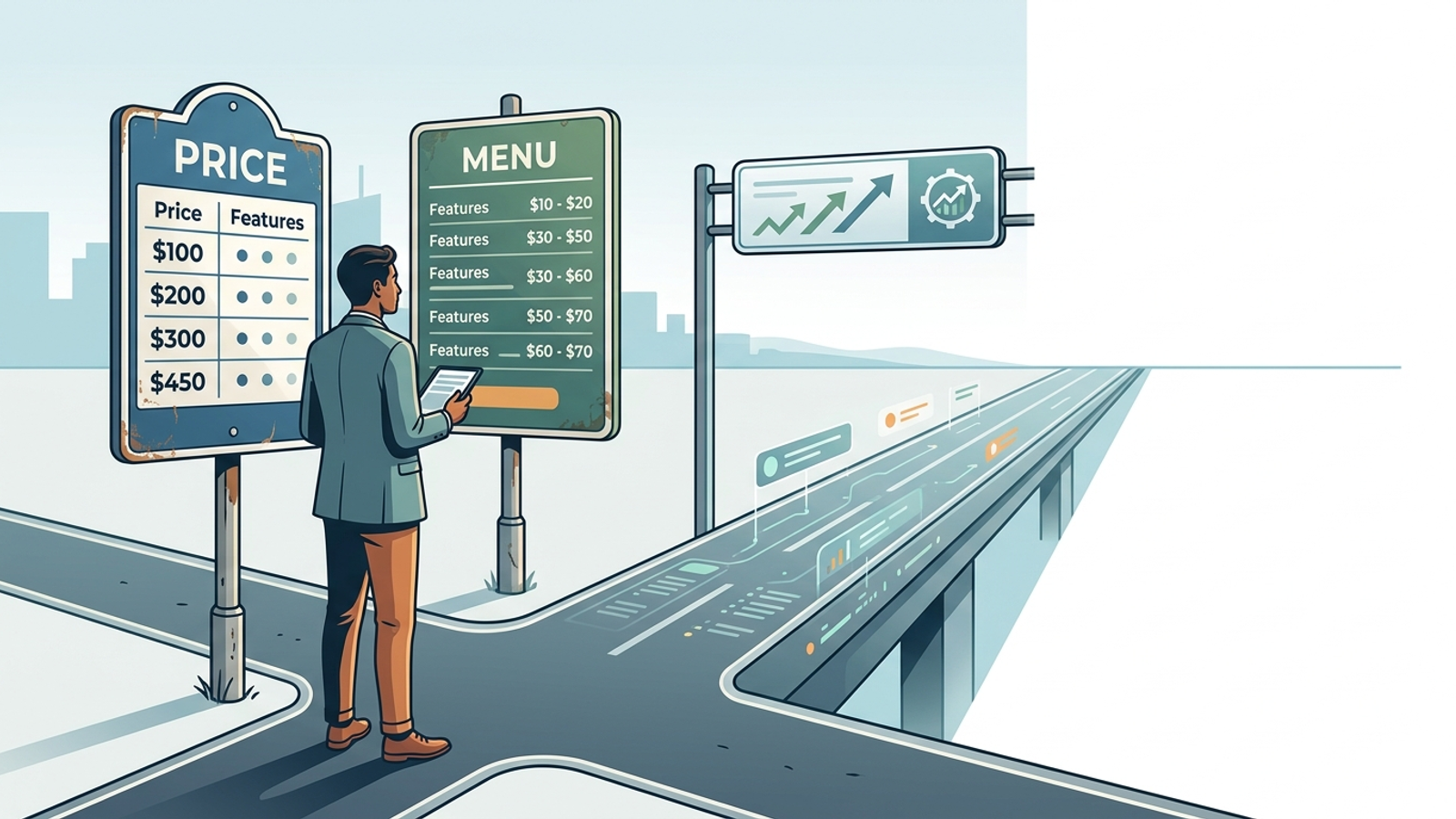
Google Ads agency reviews on G2 and Clutch are structurally misleading because they measure client satisfaction and relationship quality, not campaign performance, ROAS, or actual management competence. If you are evaluating a Google Ads agency based on its star rating on a review platform, you are making a vendor decision using data that tells you almost nothing about whether that agency will grow your business. The review ecosystem rewards agencies that are pleasant to work with and punish agencies that deliver hard truths. It does not, and cannot, measure whether your campaigns are actually being managed well. This article breaks down exactly why these reviews fail, what they hide, and what you should do instead when choosing who manages your Google Ads spend.
The Conventional Wisdom: More Agency Experience Means Better Results
Why Businesses Default To Large Agencies Like Tinuiti And WebFX
The standard playbook for choosing a Google Ads agency goes something like this: search "best Google Ads agencies" on Google, land on a G2 or Clutch listicle, sort by star rating, shortlist the top three, and request proposals. The agencies with the most reviews, the highest ratings, and the biggest logos on their client lists get the calls. Companies like Tinuiti, WebFX, KlientBoost, and Disruptive Advertising consistently appear at the top of these rankings, and buyers treat that positioning as a proxy for quality.
The Implied Value Proposition Of Enterprise-Grade PPC Agencies
The logic feels sound on the surface. If hundreds of companies have reviewed an agency and given it 4.8 stars, that must mean something. If Clutch ranks a firm as a top PPC agency in 2026, surely they have vetted the quality. The implied value proposition is that scale, tenure, and client satisfaction correlate with campaign performance. More reviews equals more clients. More clients equals more experience. More experience equals better results.
This reasoning is wrong. Not slightly wrong. Fundamentally, structurally wrong. And understanding why requires looking at how review platforms actually work, what reviewers actually measure, and what the entire ecosystem incentivizes.
Why Google Ads Agency Reviews On G2 And Clutch Are Structurally Misleading
How Review Platforms Incentivize Gaming
G2 and Clutch are not neutral arbiters of quality. They are commercial platforms with business models built on agency participation. Clutch charges agencies for enhanced profiles, featured placements, and sponsored listings. G2 runs a similar model with premium tiers and paid visibility. This does not mean every review is fake. But it does mean the platforms have a financial incentive to keep agencies engaged, and agencies have a financial incentive to accumulate positive reviews by any means available.
Common tactics include: asking only satisfied clients to leave reviews, timing review requests to coincide with positive campaign milestones, incentivizing reviews with discounts or free audit extensions, and quietly discouraging dissatisfied clients from posting. None of this is illegal. Most of it is not even against platform terms. But the result is a review corpus that systematically overrepresents positive experiences and underrepresents negative ones.
The Time-Lag Problem: Reviews Reflect Past Performance, Not Current
Agency teams change. The strategist who delivered great results for the client who left that glowing review in 2024 may have left the company six months later. Agencies scale by hiring junior account managers and cycling them through client accounts. A 4.9-star rating based on reviews accumulated over three years tells you nothing about the team you will actually work with today. This is one of the critical gaps that a service like groas eliminates: because groas pairs AI agents that run 24/7 with a dedicated human account manager, the quality of execution does not degrade when a single employee leaves or gets reassigned.
What Reviewers Actually Measure (Relationship Quality, Not Campaign ROI)
Read agency reviews on G2 or Clutch carefully. Count how many mention specific ROAS numbers, cost-per-acquisition figures, or revenue impact. Then count how many mention "great communication," "responsive team," "easy to work with," and "transparent reporting." The ratio is not close. Most reviewers evaluate the experience of working with the agency, not the measurable outcomes the agency produced.
This is not the reviewers' fault. Most clients do not have the technical expertise to evaluate whether their Google Ads campaigns are being managed well. They cannot distinguish between a well-structured account and a sloppy one. They can tell you whether their account manager is friendly and responsive. Those are different things.
Why 4.9 Stars Tells You Almost Nothing About ROAS
A Google Ads agency can deliver mediocre campaign performance and still earn a 4.9-star rating if the client-facing team is polished, the reports look professional, and the account manager is likable. Conversely, an agency that delivers exceptional ROAS but communicates bluntly and does not sugarcoat underperformance will accumulate lower ratings. The star rating is a measure of customer service quality, not campaign quality. Using it to predict future ROAS is like using a restaurant's Yelp score to predict its nutritional value.
The 5 Things Agency Reviews Never Tell You
Who Actually Manages Your Account Day-To-Day
You signed with the agency because the senior strategist impressed you on the sales call. But who is actually logging into your Google Ads account every day? In most agencies, the answer is a junior account manager handling eight to fifteen clients simultaneously. Reviews rarely name specific team members, and even when they do, there is no guarantee that person will be assigned to your account. With groas, this problem does not exist. You get a dedicated human account manager from day one, and AI agents handle the daily execution around the clock, ensuring your campaigns are never sitting idle.
How Often The Campaign Is Actually Touched
Most agencies check accounts a few times per week. Some check weekly. A handful check daily. Almost none optimize continuously. There is no review field on G2 or Clutch that captures "number of meaningful optimizations made per month." Clients have no visibility into this, so they cannot report on it. The silence on this metric should alarm you.
Whether The Strategy Is Genuinely Custom Or Template-Based
Agencies operate on margin. The way they protect margin is by standardizing delivery. Many agencies run a templated onboarding process, apply a standard campaign structure, and use the same bidding strategy playbook across most clients. Reviews will not tell you this because clients rarely know it is happening. The campaigns feel "custom" because the reporting deck has their logo on it.
What The Real All-In Cost Is Including Hidden Fees
Clutch reviews do not require disclosure of contract value, fee structure, or total cost. An agency might earn 4.9 stars while charging a percentage-of-spend fee that creates a direct conflict of interest: the more you spend, the more they earn, regardless of whether that spend generates incremental returns. Hidden fees for creative, landing page work, reporting tools, and platform access further obscure the real cost.
How Performance Compares To Industry Benchmarks
Not a single review platform requires agencies to report verifiable campaign metrics. An agency could underperform industry benchmarks across every client and still maintain a perfect rating. Without standardized, third-party performance verification, reviews are just testimonials dressed in platform UI.
What To Look For Instead Of Star Ratings
The Right Questions To Ask Before Signing
Before you sign with any Google Ads agency, ask these questions and demand specific answers: Who will manage my account, and what is their experience level? How many other accounts does that person manage? What is your optimization cadence, and can I see change logs? What is your fee structure, including all add-ons? Can you provide anonymized before/after performance data from accounts in my industry? Will I own my Google Ads account and all data if I leave?
Red Flags In Agency Contracts And SOWs
Watch for percentage-of-spend pricing with no cap, long lock-in periods (anything over 90 days should raise questions), contracts where the agency owns the ad account, vague deliverable language like "ongoing optimization" without specifics, and minimum spend requirements that benefit the agency more than the client. These are documented warning signs that correlate with poor outcomes.
How To Run A Structured Pre-Sign Evaluation
Run a 30-day paid trial before committing to a long-term contract. Give the agency a single campaign or a portion of your budget and evaluate based on measurable outcomes: cost per conversion, conversion volume, search term quality, and the specificity of their optimization recommendations. If an agency resists a trial period, ask yourself why.
The One Metric That Actually Predicts Agency Value
It is not stars. It is not review count. It is the specificity and quality of their strategic recommendations during the sales process. Ask every agency you are evaluating to audit your current campaigns and present a concrete plan. The agency that gives you generic advice ("we would restructure your campaigns and improve your quality scores") is telling you they use templates. The one that identifies specific wasted spend, points to exact keywords or audience segments causing problems, and explains exactly how they would fix it is the one that might actually deliver results. groas does this within 24 hours of onboarding: your dedicated account manager performs a full hands-on audit, delivers a custom roadmap, and then implements the entire plan with zero work required from your side.
The Alternative Model: Accountability Built Into The System
How Autonomous Management Removes The Incentive Problem
Traditional agencies are incentivized to retain clients, not to maximize performance. A happy client who stays for 18 months at mediocre ROAS is more profitable than a well-managed client who achieves their goals and no longer needs the agency. This incentive misalignment is baked into the agency model, and no amount of G2 reviews will surface it.
groas operates on a fundamentally different model. AI agents manage your campaigns 24/7, making continuous optimizations that no human team can match in frequency or consistency. A dedicated human account manager oversees everything, providing strategic direction, bi-weekly calls, and always-on support via private Slack or email. The combination means you get senior-level strategy with continuous AI execution, at a fraction of what a traditional agency charges.
Because groas does the work rather than giving you dashboards and recommendations, the accountability is built in. There is no information asymmetry where the agency knows how the campaigns are performing but the client does not. There is no junior account manager learning on your dime. There is no team turnover that resets institutional knowledge. The AI agents retain every optimization decision, every test result, and every performance signal. Your human account manager translates that into strategy you can understand and challenge.
Why groas's Model Makes Review Gaming Structurally Impossible
When your campaigns are managed by AI agents that log every action, and a dedicated human account manager who has bi-weekly calls with you, there is nowhere to hide poor performance. groas does not need to manage perception because the work is transparent and continuous. The question is not "are they nice to work with?" The question is "are my campaigns performing?" And that question gets answered with real data, not star ratings.
Stop Trusting Agency Review Sites And Start Doing This Instead
The thesis is simple: Google Ads agency reviews on G2 and Clutch are not useful signals for predicting whether an agency will deliver strong campaign performance. They measure likability, not capability. They reward perception management, not results. And they structurally cannot capture the information you actually need to make a good vendor decision.
Stop sorting agencies by star rating. Start evaluating them by the specificity of their strategic thinking, the transparency of their pricing, the structure of their management model, and their willingness to be held accountable to measurable outcomes.
Or skip the evaluation entirely and choose a model where accountability is the default. groas gives you AI agents that optimize your Google Ads campaigns 24/7, a dedicated human account manager who owns your strategy, and a level of execution consistency that no agency, freelancer, or in-house team can match. No bloated retainers. No junior managers. No review scores to decode. Just results, delivered by a service built to make the agency model obsolete.
If you are currently evaluating Google Ads agencies on Clutch or G2, stop. Start here instead.
Frequently Asked Questions
Are Google Ads Agency Reviews On G2 And Clutch Reliable?
No. Google Ads agency reviews on G2 and Clutch are structurally misleading because they measure relationship quality and client satisfaction, not campaign performance or ROAS. Reviewers typically evaluate how responsive and pleasant an agency is to work with, not whether the agency delivered measurable business results. Additionally, agencies can game the system by selectively requesting reviews from satisfied clients, timing review requests around positive milestones, and discouraging negative feedback. The platforms themselves have commercial incentives to keep agencies engaged. While individual reviews may be genuine, the aggregate rating is not a reliable predictor of whether an agency will improve your Google Ads performance.
How Do I Evaluate A Google Ads Agency Without Relying On Reviews?
Ask the agency to audit your current campaigns and present a concrete, specific plan before you sign anything. Evaluate based on the quality and specificity of their strategic recommendations, not their sales pitch polish. Run a 30-day paid trial with measurable KPIs. Ask who will manage your account day-to-day and how many other accounts that person handles. Demand full transparency on pricing, including all add-on fees. Check whether they use percentage-of-spend pricing, which creates a conflict of interest. The best signal is whether the agency can point to specific problems in your account and explain exactly how they would fix them.
Why Do Agencies With High Star Ratings Sometimes Deliver Poor Results?
Because star ratings measure the client experience, not the campaign outcome. An agency can have polished reporting, responsive communication, and a likable account manager while delivering mediocre ROAS. Most clients lack the technical expertise to evaluate campaign management quality, so they rate based on what they can observe: how the agency makes them feel. Agencies also experience team turnover, meaning the strategist responsible for the results that earned glowing reviews may no longer work there. The team you get could be entirely different from the team that earned the rating.
What Is The Biggest Red Flag In A Google Ads Agency Contract?
Percentage-of-spend pricing with no cap. This model means the agency earns more when you spend more, regardless of whether that incremental spend generates returns. It creates a direct conflict of interest between the agency's revenue and your performance goals. Other major red flags include lock-in periods longer than 90 days, contracts where the agency owns the ad account, vague deliverables described only as "ongoing optimization," and resistance to paid trial periods before long-term commitment.
How Does groas Avoid The Problems With Traditional Agency Models?
groas eliminates the structural issues that plague traditional agencies. AI agents manage your Google Ads campaigns 24/7 with continuous optimization, so there is no risk of a junior account manager neglecting your account. A dedicated human account manager oversees strategy and provides bi-weekly calls plus always-on Slack or email support. There is no team turnover risk because the AI agents retain every optimization decision, and no perception management because every action is logged and transparent. groas costs a fraction of a traditional agency retainer while delivering senior-level strategy paired with nonstop AI execution.
What Do Clutch And G2 Reviews Actually Measure?
Clutch and G2 reviews primarily measure communication quality, responsiveness, ease of collaboration, and overall satisfaction with the working relationship. They do not require agencies to disclose verifiable campaign metrics such as ROAS, cost per acquisition, or revenue impact. Neither platform verifies performance claims or benchmarks agency results against industry standards. The review format is designed for qualitative experience feedback, not quantitative performance assessment. This makes them useful for understanding whether an agency is pleasant to work with, but nearly useless for predicting whether they will improve your campaign results.
Is A 4.9 Star Rating On G2 Or Clutch Meaningful For A Google Ads Agency?
A 4.9 star rating tells you the agency has accumulated a large number of satisfied clients and has likely been proactive about requesting reviews at favorable moments. It does not tell you about campaign ROAS, optimization frequency, account structure quality, or cost efficiency. Many agencies with near-perfect ratings use templated strategies, employ junior staff for day-to-day management, and rely on percentage-of-spend pricing that misaligns incentives. The rating is a measure of customer service quality, not advertising performance.
Can groas Replace A Google Ads Agency Entirely?
Yes. groas is a full-service Google Ads management service designed to replace your agency, freelancer, or in-house team entirely. Upon onboarding, you receive a dedicated human account manager who performs a full audit and delivers a custom roadmap within 24 hours. AI agents then manage campaigns 24/7 while your account manager oversees strategy, provides bi-weekly calls, and remains available via private Slack or email. This gives you better execution consistency than any human team at a fraction of the cost, with none of the information asymmetry or incentive misalignment problems that traditional agencies have.
What Is The Best Way To Compare Google Ads Agencies In 2026?
Request a hands-on audit from each agency you are considering. Compare the specificity and quality of their strategic recommendations. Run a short paid trial rather than committing to a long-term contract. Evaluate based on measurable outcomes like cost per conversion, conversion volume, and search term quality. Assess pricing transparency and look for conflicts of interest in fee structures. Review their management model to understand who will actually touch your account and how often. This structured evaluation process is far more predictive of future results than any star rating on a review platform.